Building Inclusive Workplaces: A Corporate Priority by 2027
14 May 2026
Let me ask you something straight: when was the last time you walked into a meeting and felt like you genuinely belonged? Not just tolerated. Not just invited because HR sent a calendar reminder. I mean truly seen, heard, and valued for who you are, not despite your differences but because of them.
If that question makes you pause, you're not alone. Most workplaces still operate on a tired, outdated model where "diversity" means checking boxes and "inclusion" means a generic email about potlucks. But here's the hard truth: by 2027, that approach won't just be embarrassing. It will be a business liability.
The corporate world is shifting fast. Demographics are changing. Talent expectations are evolving. And the companies that fail to build genuinely inclusive workplaces won't just lose good people. They'll lose their competitive edge entirely. So let's cut through the buzzwords and get real about what inclusion actually means, why 2027 is the deadline you didn't know you had, and how you can start building something that matters.

The Inclusion Illusion: Why Most Companies Are Faking It
Walk into any corporate headquarters today, and you'll see the same scene. A mission statement on the wall that says "We value diversity." A Slack channel called #diversity-and-inclusion with 47 unread messages. A quarterly town hall where someone talks about "belonging" for exactly four minutes before moving on to revenue targets.This is what I call the inclusion illusion. It looks good on paper. It sounds nice in a press release. But underneath, nothing has actually changed. People from underrepresented groups still get interrupted in meetings. They still get asked to "tone it down" or "be more professional" when they bring their authentic selves to work. They still hit invisible ceilings that their colleagues never even notice.
Here's the thing: inclusion isn't a poster campaign. It isn't a training module you can check off. It's a fundamental redesign of how power, opportunity, and respect flow through an organization. And most companies are nowhere close to doing that.
Why does this matter for 2027? Because the workforce is getting younger, more diverse, and more vocal. Gen Z and younger millennials have zero tolerance for performative inclusion. They've grown up online. They've seen the behind-the-scenes photos of boardrooms that don't look like the stock photos. They can smell inauthenticity from a mile away.
If you think you're building an inclusive workplace because you have a Diversity, Equity, and Inclusion (DEI) director and a few employee resource groups, you're already falling behind. By 2027, that baseline won't even get you in the door with top talent.
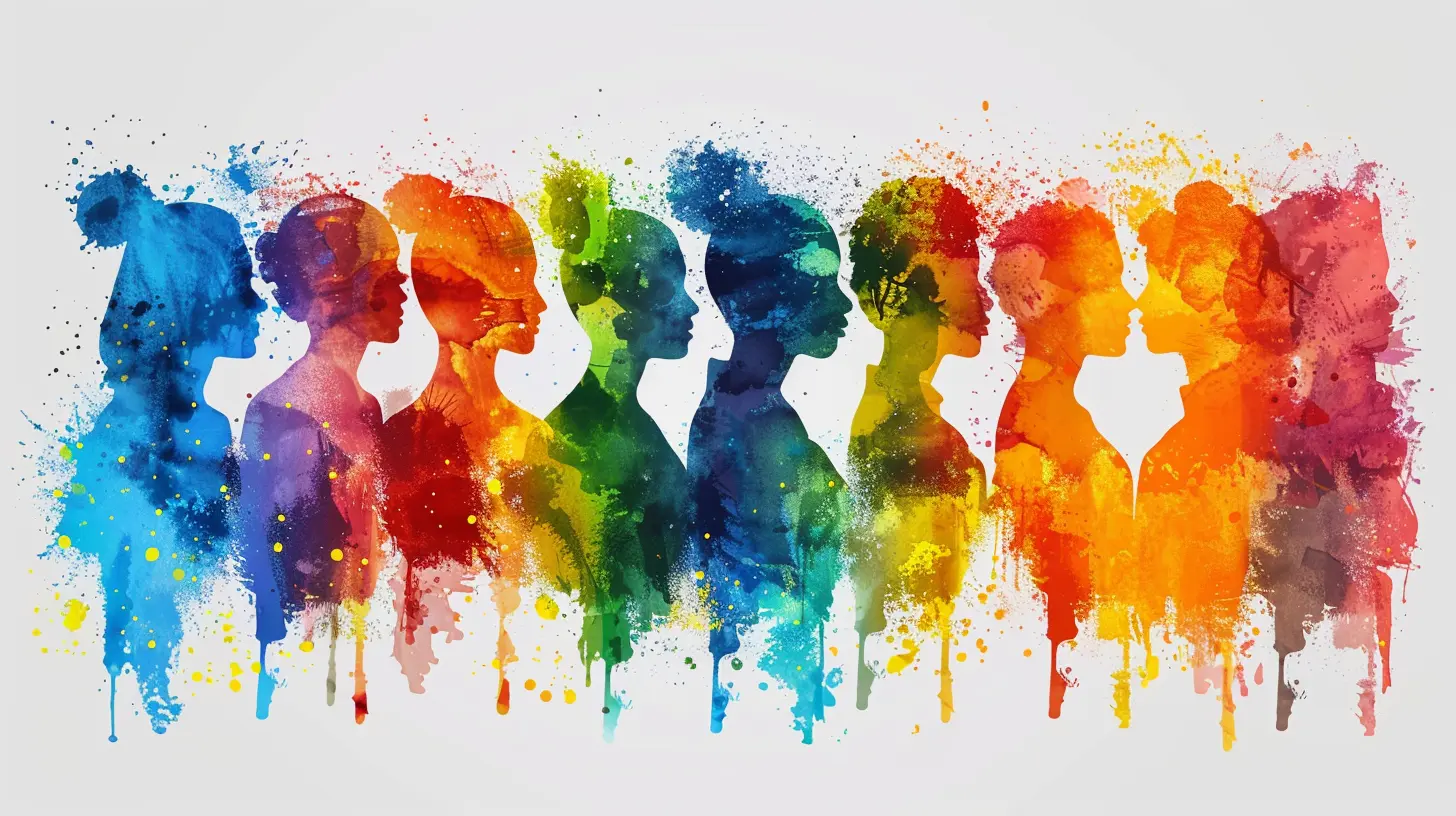
The Business Case: Inclusion Isn't Nice, It's Necessary
Let's get one thing clear: I'm not here to give you a moral lecture. I'm here to talk about money, performance, and survival. Because the data on inclusion is overwhelming, and it's not about being "good." It's about being smart.Companies with genuinely inclusive cultures are 1.7 times more likely to be innovation leaders in their market. They see 2.3 times higher cash flow per employee. They have lower turnover, higher engagement, and better decision-making. When you include different perspectives, you catch blind spots. When you make people feel safe to speak up, you avoid costly mistakes. When you hire from a wider talent pool, you get better ideas.
But here's the part that keeps me up at night: the opposite is also true. Companies that ignore inclusion are bleeding talent right now. A 2023 study found that 40% of employees from underrepresented groups are actively looking for a new job because they don't feel included. That's not a retention problem. That's a hemorrhage.
Think about the cost of replacing a single experienced employee. Recruiting, onboarding, lost productivity, institutional knowledge walking out the door. It adds up to six to nine months of that person's salary. Now multiply that by the dozens or hundreds of people you're losing because your culture feels exclusionary.
By 2027, the talent market will be even tighter. The demographic shift means fewer workers overall, and the ones who remain will have more choices. If your workplace feels like a place where people have to hide parts of themselves to fit in, they will leave. And they will tell everyone why.

What Inclusion Actually Looks Like (Hint: It's Uncomfortable)
Let me paint you a picture of a truly inclusive workplace. It's not all rainbow flags and happy hours. It's messy. It's awkward. It's uncomfortable in the way that growth always is.Inclusion means a junior employee from a non-traditional background can challenge a senior leader's idea without fear of retaliation. It means performance reviews measure output, not how much someone "fits" the existing culture. It means meetings have structures that prevent the loudest voices from dominating and ensure quieter voices get heard.
It means recognizing that "professionalism" is often code for "behave like the dominant group." It means allowing people to bring their whole selves to work, including their accent, their hairstyle, their religious practices, and their neurodivergent way of thinking.
This is hard. It requires unlearning decades of habits. It requires leaders to give up some control. It requires admitting that the systems you built are not neutral. They were designed by and for a specific group of people, and they exclude others by default.
But here's the question you need to ask yourself: are you willing to be uncomfortable for a few years to build something that lasts? Or are you going to stay comfortable and watch your best people walk out the door?

The 2027 Deadline: Why Three Years Changes Everything
Why am I so fixated on 2027? Because that's when the generational tipping point hits. By 2027, Gen Z will make up nearly 30% of the workforce. Millennials will be in senior leadership roles. Together, they will set the cultural tone for every organization.These generations don't just want inclusion. They demand it. They've grown up with social media exposing every corporate hypocrisy. They've seen companies tweet support for social causes while paying their diverse employees less. They've seen performative statements after tragedies followed by zero internal change.
By 2027, the companies that have been faking it will be exposed. Not by activists. By their own employees. By Glassdoor reviews. By viral LinkedIn posts. By candidates who simply refuse to apply.
Think of it like this: the pandemic accelerated remote work by about a decade. Similarly, the current cultural shifts around identity, equity, and belonging will accelerate the demand for genuine inclusion by 2027. If you're not already building the infrastructure for that, you're going to be caught flat-footed.
Practical Steps: Building Inclusion That Actually Works
Okay, so you're convinced. But how do you actually do this? Let me give you a framework that goes beyond the usual advice.Step 1: Audit Your Gatekeepers
Every organization has gatekeepers. The people who decide who gets hired, who gets promoted, who gets access to mentors, who gets the juicy projects. In most companies, these gatekeepers look the same, think the same, and come from similar backgrounds.Start by mapping your gatekeepers. Who sits on the hiring committee? Who decides on promotions? Who gets to speak at all-hands meetings? If there's a lack of diversity among your gatekeepers, you will never get diversity among your talent. It's that simple.
Step 2: Redesign Your Meetings
Meetings are where culture happens. They're also where exclusion happens most quietly. The person who gets interrupted. The person who can't get a word in. The person whose ideas are ignored until a man repeats them.Implement simple structures. Use round-robins where everyone speaks in turn. Assign a "meeting observer" who watches for interruptions. Ban side conversations. Record meetings and make sure people can contribute asynchronously. These small changes create massive shifts in who feels included.
Step 3: Pay People Fairly, Transparently
Nothing destroys inclusion faster than pay inequity. When people discover they're being paid less than their peers for the same work, trust evaporates. And they will find out. Salary transparency is becoming the norm, and by 2027, it will be expected.Conduct a pay equity audit. Publish salary bands. Remove negotiation from the hiring process (negotiation favors confident people, not competent ones). Tie compensation to clear, objective criteria. This isn't just fair. It's good business.
Step 4: Make Inclusion a Performance Metric
What gets measured gets done. If you're not holding managers accountable for inclusion, it won't happen. Include inclusion metrics in performance reviews. Track retention rates by demographic group. Measure promotion velocity. Survey employees on belonging and psychological safety.And here's the hard part: put teeth behind it. If a manager consistently has lower inclusion scores or higher turnover among diverse team members, that should affect their bonus, their promotion, and potentially their job. Inclusion isn't a side project. It's a core competency.
Step 5: Listen to the People Who Are Struggling
The most important voices in your inclusion journey are the people who are currently excluded. They know exactly what's broken. They've been telling you for years. But most organizations don't listen because the truth is uncomfortable.Create anonymous feedback channels that actually get read. Hold listening sessions where leaders just shut up and listen. Pay external consultants to do confidential interviews. Then, and this is crucial, act on what you hear. Nothing destroys trust faster than asking for feedback and then ignoring it.
The Role of Leadership: It Starts at the Top, But It Can't End There
I've seen too many CEOs give passionate speeches about inclusion and then go back to running their companies exactly the same way. Inclusion requires more than buy-in from the C-suite. It requires rewiring how power operates.Leaders need to model inclusive behavior. That means admitting when they're wrong. That means amplifying voices that are different from theirs. That means stepping back and letting others lead. That means being vulnerable enough to say, "I don't know everything, and I need different perspectives to make better decisions."
But here's the catch: if inclusion only exists because of one or two champions, it will die when they leave. You need systems, not saviors. You need policies that survive leadership changes. You need accountability that doesn't depend on who's in the room.
Common Objections (And Why They're Wrong)
I hear the same objections over and over. Let me address them directly."We don't have time for this right now." You don't have time not to. The cost of turnover, lost innovation, and reputational damage far exceeds the investment in inclusion.
"We're a meritocracy. We hire the best person for the job." Meritocracy is a myth. Every study shows that unconscious bias affects hiring, promotion, and evaluation. If you think you're purely meritocratic, you're just not seeing your own biases.
"We tried DEI and it didn't work." You probably tried performative DEI. Workshops without follow-up. Training without accountability. Statements without action. Real inclusion takes years of sustained effort, not a quarterly initiative.
"We can't find diverse talent." That's a pipeline problem you created. If you're only recruiting from the same universities, the same networks, the same referral pools, you'll get the same candidates. Expand your search. Change your requirements. Remove unnecessary credentials. The talent is out there.
The Cost of Inaction: What Happens If You Wait
Let me paint a darker picture for a moment. Imagine it's 2028. Your company has been coasting on the same culture for years. Your best diverse talent has left. Your Glassdoor reviews are brutal. Your innovation pipeline is dry because everyone thinks the same way. Your customers are starting to ask hard questions about your values.You try to hire, but candidates have done their research. They know your reputation. They demand higher salaries and more flexibility just to consider you. Your competitors, the ones who started building inclusive cultures in 2025, are eating your lunch.
This isn't hypothetical. It's happening right now to companies that thought they could wait. The pandemic was a wake-up call. The social justice movements of 2020 were a wake-up call. The demographic shift is a wake-up call. If you need another one, you're going to miss the boat entirely.
A Final Thought: Inclusion Is a Muscle, Not a Destination
Here's what I want you to take away from this. Building an inclusive workplace is not a project with an end date. It's not something you finish and then move on from. It's a continuous practice, like exercise or learning.You will make mistakes. You will have setbacks. You will get called out. That's okay. What matters is that you keep going, keep listening, keep improving.
By 2027, the companies that thrive will be the ones that treat inclusion as a core business strategy, not a nice-to-have. They will be the ones where people from all backgrounds can do their best work, feel like they belong, and contribute fully.
The question is: will your company be one of them?
all images in this post were generated using AI tools
Category:
Corporate ResponsibilityAuthor:

Lily Pacheco
Discussion
rate this article
1 comments
Joel Walker
While aiming for inclusivity by 2027 is admirable, true change demands urgent action and genuine commitment now, not just ambitious deadlines. Accountability must accompany these goals.
May 14, 2026 at 10:47 AM
Lily Pacheco
I completely agree. Setting a deadline is just the first step. Real progress requires immediate, meaningful actions and accountability to ensure we reach our goals.