Building Long-Term Sales Relationships: A Guide
1 April 2026
In the world of business, flashy one-time sales and big wins can feel great—but if you're relying solely on quick transactions, you’re leaving a lot of potential on the table. Long-term sales relationships aren’t just a “nice-to-have.” They’re the real engine behind sustainable growth.
Think about it. Would you rather chase new customers every single day or build a loyal tribe that keeps coming back, refers others, and grows with your business? Exactly.
So, let’s dive into how you can move beyond the cold pitch and truly master the art of building long-term sales relationships.
Why Relationships Matter More Than Ever
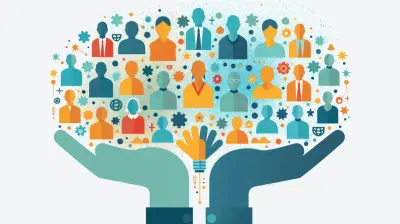
We live in a time where customers have more options than ever before. They can research, compare, and switch providers in seconds. That means trust, not just price or product, is the deciding factor in many purchases today.When your customers trust you, they’ll listen to your advice, stick with you during rough patches, and maybe even forgive the occasional hiccup. Trust doesn’t come from a great pitch—it grows over time, like a tree you water daily.
The Stats Don’t Lie
- 65% of a company’s business comes from existing customers.- Acquiring a new customer can cost five to seven times more than retaining an existing one.
- Loyal customers are 50% more likely to try new products and spend 31% more than new customers.
Numbers aside, it just makes sense: relationships trump transactions.
Start With the Right Mindset
Here’s the thing—building long-term sales relationships requires a shift in thinking. You’re not just looking to close a deal. You're aiming to open a dialogue.Focus on the Person, Not the Sale
People can tell when they’re just a number to you. Don’t just see them as part of your monthly quota. Invest a bit in who they are and what they care about. Ask yourself:- What challenges are they facing?
- What would help make their life easier?
- How can my product or service genuinely help?
Take the approach of a helpful guide, not a pushy salesperson. The difference is massive.
Nail the First Impression
You don’t get a second chance to make a first impression. Whether it's an email, phone call, Zoom chat, or in-person meeting—how you show up matters.Show Up Prepared
Knowing their name and job title isn’t enough. Do a little digging:- What’s their company culture like?
- Have they been in the news?
- Any noticeable pain points you can address?
Coming in informed shows respect and effort. That alone sets you apart from the sales spam they get every day.
Be Human
People buy from people. Share a little about yourself. Use humor when appropriate. Let your personality shine through. Think of it as having coffee with a friend, not a sales presentation.
Build Trust Over Time
Trust isn't built in a day. It’s built slowly—consistently—through your actions, honesty, and reliability.Be Consistent and Reliable
If you say you’ll follow up Tuesday at 10 AM, follow up Tuesday at 10 AM. These small commitments mean everything when it comes to building trust. Miss one, and you’re starting from behind.Be Honest—Even When It’s Hard
Not every product you offer will be a perfect fit. If it’s not a good match, say so. People value truthfulness over salesmanship. That kind of honesty is rare—and very memorable.Communication Is Everything
Want to keep a relationship alive? You’ve got to keep talking. The same applies to your customers.Follow-Up Regularly (Without Being Annoying)
This isn’t about flooding their inbox. It’s about staying top-of-mind in a helpful, non-intrusive way. Share an article, ask how a recent project went, or drop a quick “just checking in” message. Small touchpoints = big impact.Active Listening Over Talking
Here’s a wild idea—listen twice as much as you speak. Ask open-ended questions and really absorb their answers. Your goal is to understand, not just respond with pre-packaged solutions.Deliver Value Long After the Sale
The end of a sale should never be the end of the journey. In fact, that’s when the real relationship begins.Offer Ongoing Support
Don’t disappear once the deal is signed. Keep the conversation going. Check in on how things are going. Offer to tweak or improve the setup. Show them you're in it for the long haul.Provide Exclusive Perks
Loyalty deserves rewards. Offer long-time customers discounts, early access to new products, or invite-only events. Make them feel like part of an inner circle—not just another client.Handle Issues Like a Pro
Let’s be real. Mistakes happen. But how you handle them? That’s what truly defines your relationship.Own Up and Act Fast
If something goes south, own it immediately. Apologize, explain, and fix it—fast. People are far more forgiving when they see you care and take accountability.Turn Problems Into Opportunities
Handled well, a problem can actually strengthen your bond. Why? Because crises often show customers what kind of company you really are. Be the rock they can rely on.Show Appreciation Like You Mean It
Everyone likes to feel appreciated. A simple “thank you” can go a long way—but don’t stop there.Say Thanks in Meaningful Ways
Personal letters, thoughtful gifts, shout-outs on social media, or even just a heartfelt email—these small gestures build emotional equity. It's like adding coins to the “goodwill bank.”Celebrate Milestones Together
Did they hit a company goal? Celebrate it with them. Been working with them a year? Send an anniversary thank-you. Be a part of their wins, not just your own.Keep Growing the Relationship
Just like a garden, relationships need ongoing care. You’ve planted the seeds—now don’t forget to water them.Offer New Solutions as Needs Change
As businesses grow, their needs evolve. Stay in tune with what they’re going through and be ready to offer fresh solutions—even if it’s not what they originally bought from you.Ask For Feedback
Want to show you value their input? Ask them how you’re doing and what could be better. Then actually do something with that info. It deepens trust and shows you're serious about the relationship.Create a Relationship-Focused Culture
This isn’t a solo job. Your entire company should be operating with the mindset of long-term engagement over short-term gains.Train Your Team on Relationship Selling
Educate your sales and support teams on the importance of real connection. Move away from scripts and toward solutions. Empower them to help, not hustle.Align Incentives With Retention
Prospecting is vital, yes—but rewarding reps solely for new business can skew priorities. Balance those incentives with customer retention and satisfaction goals. What gets rewarded gets repeated.Final Thoughts: Play the Long Game
At the end of the day, building long-term sales relationships is about shifting away from a transactional mindset and embracing a relational one. It’s about showing up, being real, and staying invested even when there’s no deal on the table.Remember, it’s not about the sale—it’s about the story you create together.
So take a breath, slow down a bit, and build your sales foundation on trust, value, and human connection. Your future self (and your customers) will thank you for it.
all images in this post were generated using AI tools
Category:
SalesAuthor:

Lily Pacheco
Discussion
rate this article
2 comments
Alexander McGonagle
Essential insights for lasting client loyalty.
April 30, 2026 at 3:07 AM
Lily Pacheco
I'm glad you found it valuable! Building trust is key to lasting relationships.
Gwen Barlow
Building long-term sales relationships is like dating—if you forget their anniversary, you’re in trouble! Just remember: listen, follow up, and maybe send some virtual flowers now and then!
April 4, 2026 at 12:51 PM
Lily Pacheco
Great comparison! Just like in dating, it's all about connection and attention to detail. Keeping those relationships strong pays off.