Customer Acquisition vs. Retention: Finding the Right Balance
18 June 2026
Let’s talk business—and not just any kind of business, but the kind that wins in the long run. In the ever-changing world of digital marketing and sales, there's one question that just won't die:
Should you invest more in acquiring new customers or focus on keeping the ones you’ve already got?
It’s a classic debate—like choosing between coffee and sleep when you're chasing a deadline. Both are important. But how do you figure out the right balance?
Well, that’s exactly what we’re diving into today.

What’s the Deal With Customer Acquisition?
Sounds fancy, right? But customer acquisition is just a marketing term for getting new folks to buy from you. It’s about awareness, interest, and that first sweet conversion. You’re putting your product or service in front of potential customers and convincing them you’re worth their time (and money).So, what does acquiring a customer involve?
- Running ads (Google, FB, Insta, TikTok—you name it)
- Search engine optimization (hello, organic traffic)
- Sales outreach
- Promotions and referral programs
- Social media campaigns
- Content marketing
It’s all about getting people through the door.

Why Customer Acquisition Is Important
Here’s the thing: every business needs new customers to survive. Without them, you’re treading water—or worse, sinking.New customers mean:
- Growth – More people buying = more revenue.
- Market expansion – You tap into new audiences.
- Fresh data – New user behaviors provide valuable insights.
- Brand visibility – Especially crucial for startups and small businesses.
Think of acquisition as planting seeds. Sure, it takes effort and investment, but you need that growth to build a forest.

Okay, But What About Customer Retention?
Now here's where the plot thickens.Customer retention is all about keeping the people who’ve already bought from you coming back for more. These are your loyal fans. They know your brand, trust you, and (hopefully) love what you offer.
Retention strategies might include:
- Email newsletters
- Loyalty programs
- Exclusive discounts
- Great customer service
- Personalized experiences
- Community building
These are the things that keep your customers around—the glue that holds your business together.
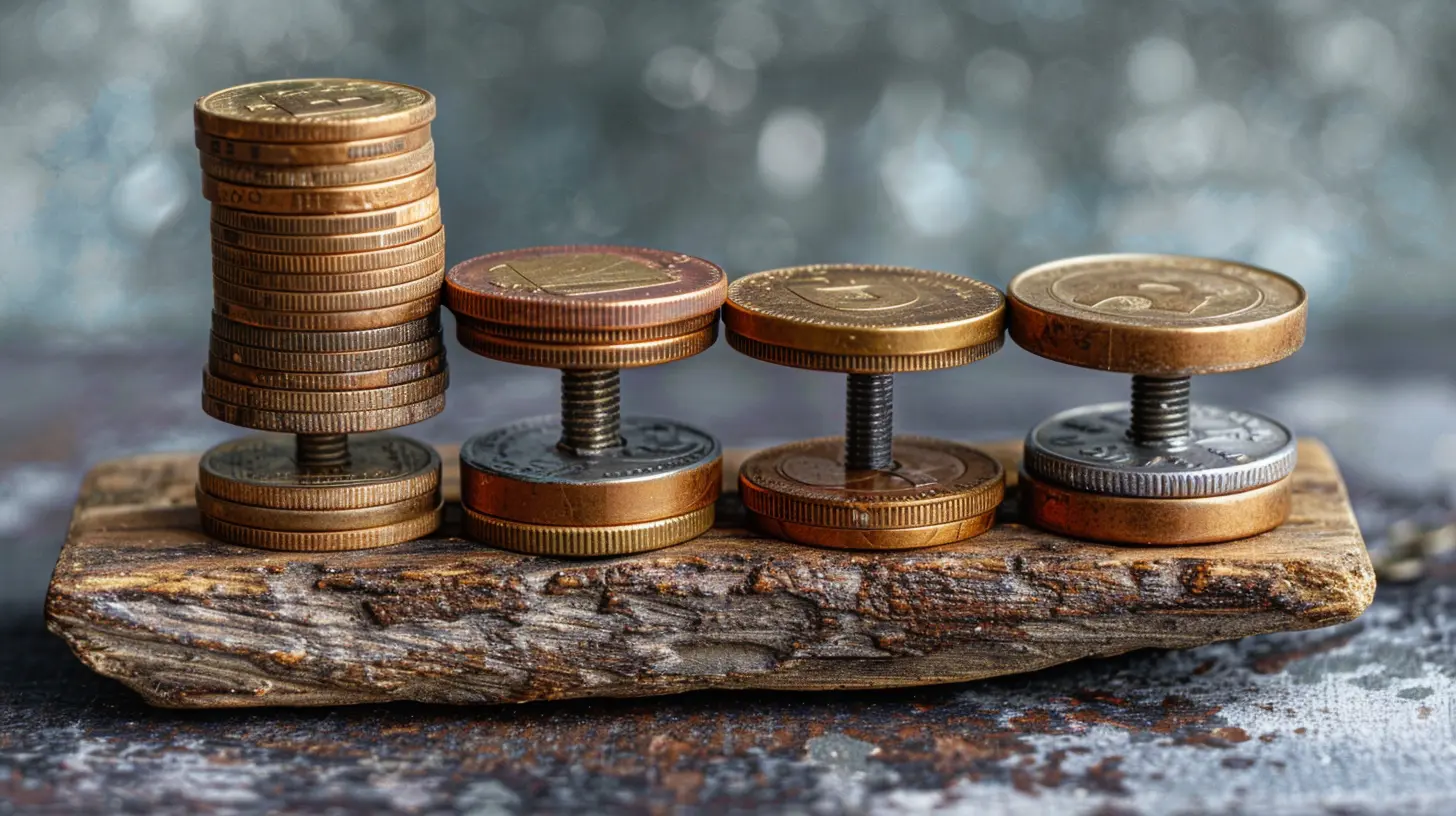
Why Retention Might Matter Even More
Let’s break this down with a few hard-hitting stats:- It can cost 5–7 times MORE to get a new customer than to keep an existing one.
- Boosting customer retention by just 5% can jack up your profits by as much as 25–95%.
- Loyal customers are more likely to refer friends, leave reviews, and spend more over time.
Still want to pour all your budget into acquisition? Thought so.
Retention is your secret weapon. It’s like dating—getting someone to like you is hard, but keeping the relationship alive and thriving? That’s the real work. And that’s where the magic is.
The True Cost of Acquisition vs. Retention
Let’s pull out the calculator for a second (don’t worry, I’ll keep it simple).Say you spend $1000 to bring in 10 new customers. That’s $100 per customer. Now, what if those customers only buy once and never return? Ouch.
Now imagine you spend $1000 on a customer retention campaign and keep 50 existing customers who buy again—and some even upgrade or subscribe for the long-term. That’s way more bang for your buck.
Acquisition = High cost, uncertain return
Retention = Lower cost, higher return over time
It’s not that you shouldn’t acquire new customers. That’s still essential. But if you’re only fishing for new people and ignoring your loyal fanbase, you’re leaving serious money on the table.
Finding the Right Balance: It’s Not Either/Or
Here’s the part that gives most businesses a headache: finding the right balance.There’s no magic number when it comes to how much budget or attention should go to acquisition vs. retention. It varies based on:
- Business maturity (a startup needs new customers more urgently than a 10-year-old brand)
- Industry type (e.g., subscription businesses love retention)
- Sales cycle length
- Customer lifetime value (CLTV)
- Competition in the market
But here’s a simple rule of thumb: triple down on what’s working, but don’t ignore the other.
If you’re killing it with email campaigns and customer support, don’t abandon them just because a new ad platform looks sexy. And if your sales have plateaued, maybe it’s time to spice up your acquisition game.
Think Lifecycle Marketing
This is where the concept of lifecycle marketing shines. Instead of picking sides, focus on the customer journey as a whole:1. Attract – Bring in new leads
2. Convert – Turn them into paying customers
3. Retain – Keep them engaged and happy
4. Delight – Exceed expectations so they refer others
Notice how acquisition and retention are both happening simultaneously? That’s the sweet spot.
Tools To Help You Balance Both
Let’s make this practical. Here are some tools and platforms that can help you juggle acquisition and retention like a pro:For Customer Acquisition:
- Google Ads – Great for intent-based search advertising.- Meta Ads (FB/Instagram) – Ideal for visual storytelling and targeting.
- SEMrush / Ahrefs – Tools to optimize SEO and content marketing strategies.
- LinkedIn Ads (especially B2B)
- Landing page builders – Like Unbounce or Leadpages.
For Customer Retention:
- Klaviyo / Mailchimp – Email marketing that feels personal.- HubSpot – A CRM that helps nurture and track relationships.
- Zendesk / Freshdesk – Killer support platforms.
- ReferralCandy / Yotpo – Turn customers into brand advocates.
- LoyaltyLion – Create loyalty programs that actually work.
You don’t have to use them all—but pick the ones that make sense for your business.
Common Mistakes and How to Avoid Them
Let’s be honest, brands screw this up all the time. Here’s how to dodge the biggest pitfalls:1. Over-Spending on Ads Without ROI Tracking
Just because you think your ads are working doesn’t mean they are. Always track and measure acquisition cost vs. revenue generated.2. Ignoring Your Existing Customers
It’s tempting to chase shiny new leads, but don’t ghost the folks who already said “yes.” Send a thank you. Check in. Offer something extra.3. Treating All Customers the Same
Not every customer brings the same value to your business. Some buy once and disappear. Others stick around and advocate for you. Know the difference and invest accordingly.4. No Clear Retention Strategy
Retention isn’t just passive—it’s a proactive process. You need systems, emails, and campaigns that give customers a reason to stay.5. Not Getting Feedback
Want to know what’s working? Ask. Simple surveys and reviews can unlock goldmines of insight.So, Where Should You Start?
If you're feeling overwhelmed, don't stress. You don’t need a six-figure budget or a 10-person marketing team to get this right.Here’s a simple 3-step action plan:
Step 1: Audit
Look at your current customer journey. Where are people dropping off? Where are you crushing it? Analyze both acquisition and retention metrics.Step 2: Prioritize
Identify low-hanging fruit. Maybe it's easier (and cheaper) to re-engage 1,000 past customers than bringing in 1,000 new ones.Step 3: Test and Scale
Try small experiments. Maybe a new lead magnet or retargeting ad. Or a loyalty program or referral contest. Measure results and double down on what works.
Wrapping It Up
Customer acquisition vs. retention isn’t a war—it’s a balancing act. Like peanut butter and jelly, both sides play a crucial role. You need to attract new faces and make sure the ones who’ve already walked through your door feel so good, they never want to leave.If you want stable, long-term growth, focus on the big picture. Play the short game (ads, traffics, sales) while building systems for the long game (customer loyalty, brand trust, community).
Don’t just sell. Build relationships.
Because at the end of the day, the best business strategy is simple: earn trust, and keep it.
all images in this post were generated using AI tools
Category:
Customer AcquisitionAuthor:

Lily Pacheco
Discussion
rate this article
1 comments
Callisto Griffin
Why chase new customers when your current ones are ready to spend more? Focus on loyalty, and you won't just acquire... you'll keep. Remember, a happy customer is your best marketing strategy!
June 23, 2026 at 4:55 AM
Lily Pacheco
You're spot on. Loyalty drives growth, and satisfied customers are more likely to return and refer others. Balancing acquisition and retention is key to sustainable success.