How Consumer Demand for Sustainability is Reshaping Industries
16 December 2025
The world is changing, and it’s not just the climate. It’s how people shop, what they value, and the choices they make every day. We’re living in a time where sustainability isn’t just a buzzword anymore—it’s a movement. And guess what? Consumer demand is steering the ship.
More and more people are asking tough questions before pulling out their credit cards: “Where did this come from?” “How was it made?” “What kind of impact does it have on the planet?”
That shift in mentality is shaking up industries like never before. And in this article, we’re diving deep into exactly how that’s happening.

The Rise of the Conscious Consumer
Let’s start here: Not that long ago, most people didn't think twice about what their purchases meant for the environment. Fast forward to today, and consumer awareness is at an all-time high. Folks are doing their homework. They’re reading labels. They’re fact-checking company claims. They want to support ethical, sustainable practices—and they’re voting with their wallets.So who are these consumers? They’re eco-conscious Gen Zers and Millennials, but also Gen Xers and even Boomers who care about the future their grandchildren will inherit. They span across demographics, and while their reasons may vary (climate change, ethics, health), the outcome is the same: They’re changing how business is done.
How Sustainability Became a Deciding Factor
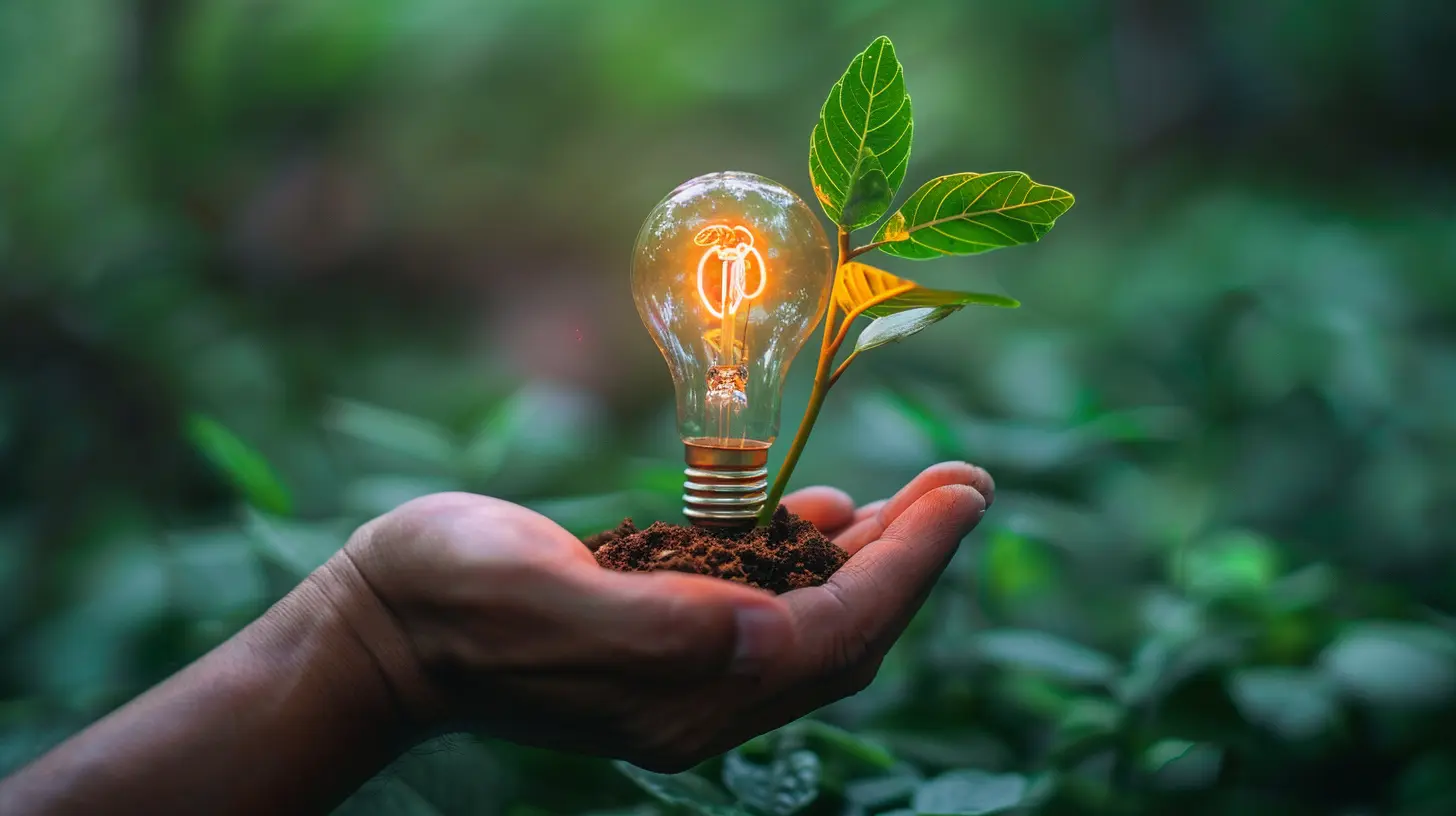
Let’s face it: Price and convenience used to rule the marketplace. But now, sustainability has joined them at the top of the food chain.Why? Because people are realizing their purchasing power can be a force for good. And businesses—smart ones, anyway—are catching on quickly.
If a brand is seen dumping waste into rivers, or if a product is wrapped in layers of unnecessary plastic, it's an instant red flag. Companies can get ‘canceled’ overnight and customers will flee faster than you can say “carbon footprint.”
On the flip side, when a brand proudly uses recycled packaging, sources materials responsibly, or offsets their emissions, they’re applauded. Consumers talk about it. They share it. They stay loyal.

Industries Feeling the Pressure (and Evolving)
Okay, so which industries are seeing the biggest impact? Spoiler alert: Pretty much all of them. But let’s break down a few major ones to really highlight the shift.1. Fashion: Out with Fast, In with Ethical
Fast fashion was once king—cheap clothes, trendy styles, next-day delivery. But that model is getting roasted for its massive waste, poor labor practices, and carbon-heavy supply chains.Enter the rise of slow fashion.
Consumers today are leaning into sustainable materials like organic cotton and hemp, buying secondhand, and supporting brands that care about who made their products and how. Companies like Patagonia and Allbirds are leading the charge, proudly showcasing their environmental commitments.
Even the big-name retailers are jumping in. H&M has a “Conscious” line. Zara is working toward sustainable fabrics. Why? Because if they don’t adapt, they’ll get left behind.
2. Food and Beverage: Green on the Plate
People are more mindful now about what’s on their plate—and how it gets there. From organic produce to plant-based meat alternatives, the demand for sustainable food is skyrocketing.Farm-to-table restaurants, local farmers' markets, and fair-trade coffee aren’t just trendy—they’re reflections of a deeper consumer desire to eat ethically and environmentally. Brands like Beyond Meat and Oatly are booming because they align with this new mindset.
And it’s not just about health. It’s about reducing greenhouse gas emissions, cutting down on food miles, and supporting regenerative farming. All of that matters to today’s conscious consumer.
3. Beauty and Personal Care: Clean is the New Chic
Ever flipped a shampoo bottle to check the ingredient list or googled if a brand tests on animals? You’re not alone.The beauty industry has had to do some soul-searching. The demand for cruelty-free, vegan, and natural products has exploded. Consumers are ditching brands with toxic ingredients or unsustainable packaging.
Now, companies like The Body Shop, Lush, and Herbivore are thriving because they’re transparent and eco-friendly. And more traditional brands are following suit, reworking formulas and reducing waste to stay in the game.
4. Automotive: Electric Dreams Become Reality
Tesla didn’t just make electric cars cool—they made them covetable. And that flipped the entire auto industry on its head.Now, every major car manufacturer is scrambling to roll out their own electric vehicles (EVs). Why? Because consumers want cleaner, greener options. They’re done with gas guzzlers and emissions.
Governments are also getting behind the movement with incentives and stricter environmental standards. That combo of consumer demand and policy pressure is accelerating the EV market like never before.
5. Tech and Electronics: Sustainability Behind the Screen
You might not think of your smartphone as an environmental issue, but the tech industry has a massive carbon footprint—from mining rare earth metals to the energy used by data centers.That’s why companies like Apple, Google, and Microsoft are investing heavily in sustainability. Apple now boasts carbon-neutral operations, and they’re pushing toward fully recyclable products. Google runs on renewable energy. These companies know that their customers care—and that reputation matters.
The Role of Transparency and Accountability
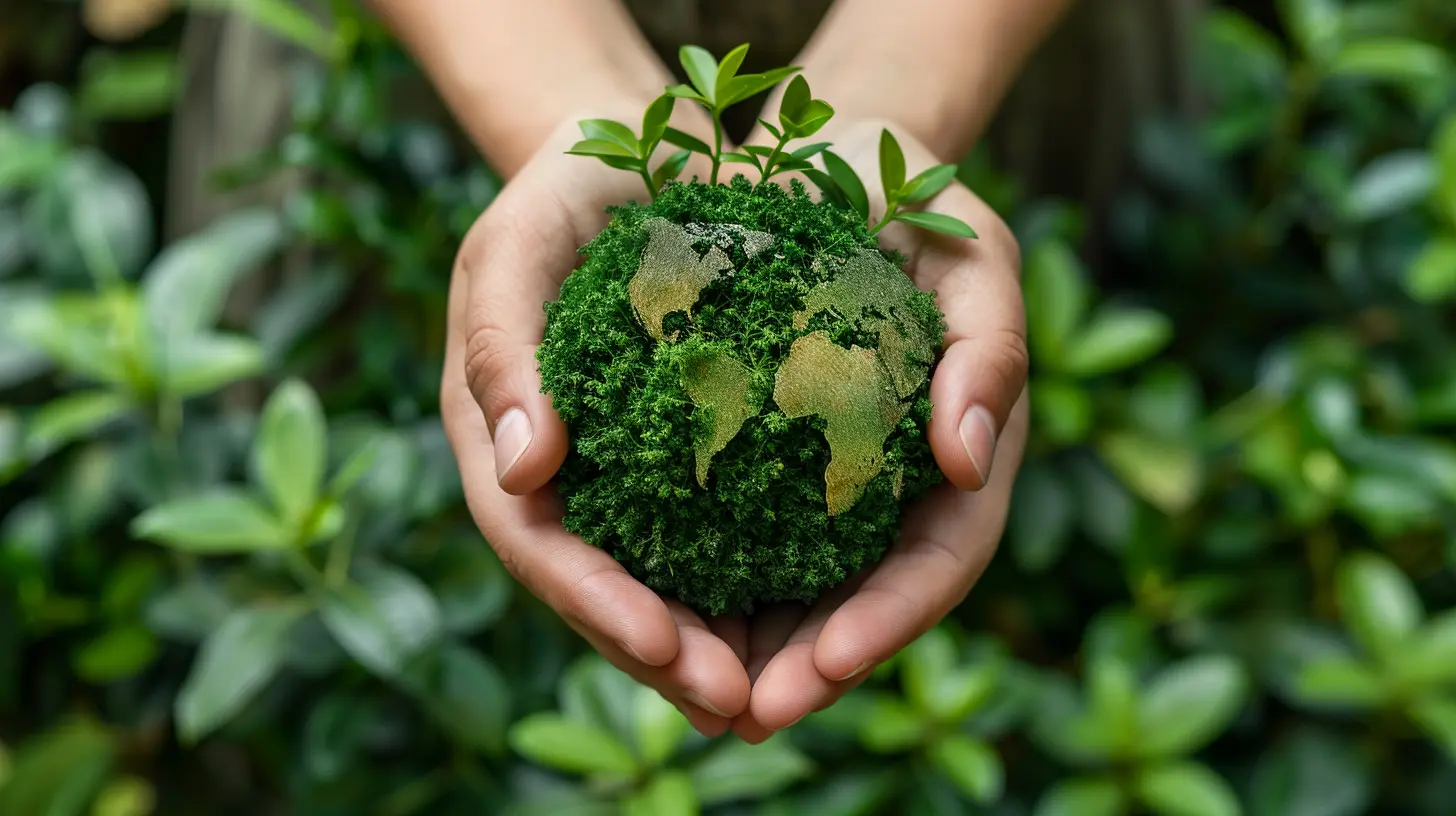
Brands can’t just slap on a green label and call it a day anymore. Today’s consumers are smart. They see through greenwashing like it’s a flimsy curtain.That’s why transparency is the name of the game.
Consumers want receipts. They want third-party certifications (like Fair Trade, B Corp, or Organic). They want companies to publish their sustainability goals—and then show real progress.
Social media and the internet make it easy to call out inconsistencies. One bad tweet, one scandal, and the damage can be long-term. That’s why forward-thinking companies are going beyond compliance; they’re making sustainability a core part of their brand identity.
Small Businesses and Startups: Leading by Example
Interestingly, it’s often the little guys who are setting the big example. Small businesses and startups have the agility to bake sustainability into their DNA from day one.They’re using compostable packaging, local supply chains, and eco-friendly production methods. Many are also embracing a circular economy—designing products to be reused, recycled, or returned, rather than trashed.
And consumers? They adore this authenticity. People love backing brands that stand for something. Especially when those brands engage openly on social media, show real behind-the-scenes efforts, and invite their customers to be part of the mission.
How Businesses Can Adapt (Without Losing Their Minds)
So, what happens if a business hasn’t hopped on the green train yet? Is it too late? Not at all. But it’s time to step on the gas.Here are a few ways companies can start reshaping their models to meet new consumer expectations:
1. Conduct a Sustainability Audit
Figure out where your environmental impact is coming from. It might be your packaging, your energy use, or your supply chain. Knowing is half the battle.2. Set Realistic, Measurable Goals
Don't aim for perfection. Aim for progress. Whether it's reducing waste by 20% or switching to renewable energy by 2025, make it tangible.3. Be Transparent
Share your goals and challenges openly. Let your audience follow the journey. They’ll appreciate the honesty and will often root for the effort.4. Offer Eco-Friendly Choices
Give customers greener options—even if they're just a part of your line. It shows you’re listening and evolving.5. Partner with Ethical Suppliers
Vet your supply chain. Work with others who share your values. Sustainability doesn't happen in a vacuum.The Bottom Line: Change is Not Optional
Consumer demand for sustainability isn’t a trend—it’s a transformation. And it’s not slowing down. As people become more informed, the expectation for ethical and environmentally sound practices will only grow stronger.Businesses have two options: evolve or become irrelevant.
But here’s the good news—going green doesn’t mean going broke. In fact, it often opens up new markets, strengthens customer loyalty, and builds a brand people are proud to support.
So whether you’re running a multinational corporation or a cozy neighborhood shop, now’s the time to lean into sustainability. Because today’s conscious consumers aren’t just buying your products—they’re investing in your values.
all images in this post were generated using AI tools
Category:
SustainabilityAuthor:

Lily Pacheco
Discussion
rate this article
2 comments
Sylvan McGinnis
This article astutely highlights the profound shift in consumer priorities towards sustainability, compelling industries to innovate and adapt. As businesses respond to this demand, they not only enhance their brand value but also contribute positively to environmental stewardship, ultimately driving a more sustainable economy.
February 1, 2026 at 4:24 AM
Lily Pacheco
Thank you for your insightful comment! I appreciate your recognition of the significant impact consumer priorities have on driving sustainable innovation in industries.
Davina Martinez
This article insightfully highlights the crucial shift towards sustainability in various industries. It's inspiring to see how consumer demand is driving positive change and innovation. Thank you for sharing!
December 19, 2025 at 6:02 AM
Lily Pacheco
Thank you for your thoughtful comment! I'm glad you found the article inspiring and insightful.