How to Handle Price Increases Without Losing Customers
2 September 2026
Alright, let's face it — nobody likes paying more. Not your customers, not your friends, and definitely not your mom. But here’s the kicker: running a business means price increases are practically inevitable. Whether it's due to rising supply costs, inflation, or a strategic decision to position your brand better, there comes a time when you have to bite the bullet and raise those prices.
Now, the million-dollar question: how do you increase prices without sending your customers running for the hills?
You’ve put in the work to attract and retain them. Losing them over a few extra bucks? That stings. But don’t panic! There’s a smart, strategic way to go about it that maintains trust, keeps customers happy, and still helps your business grow.
Let’s break it down.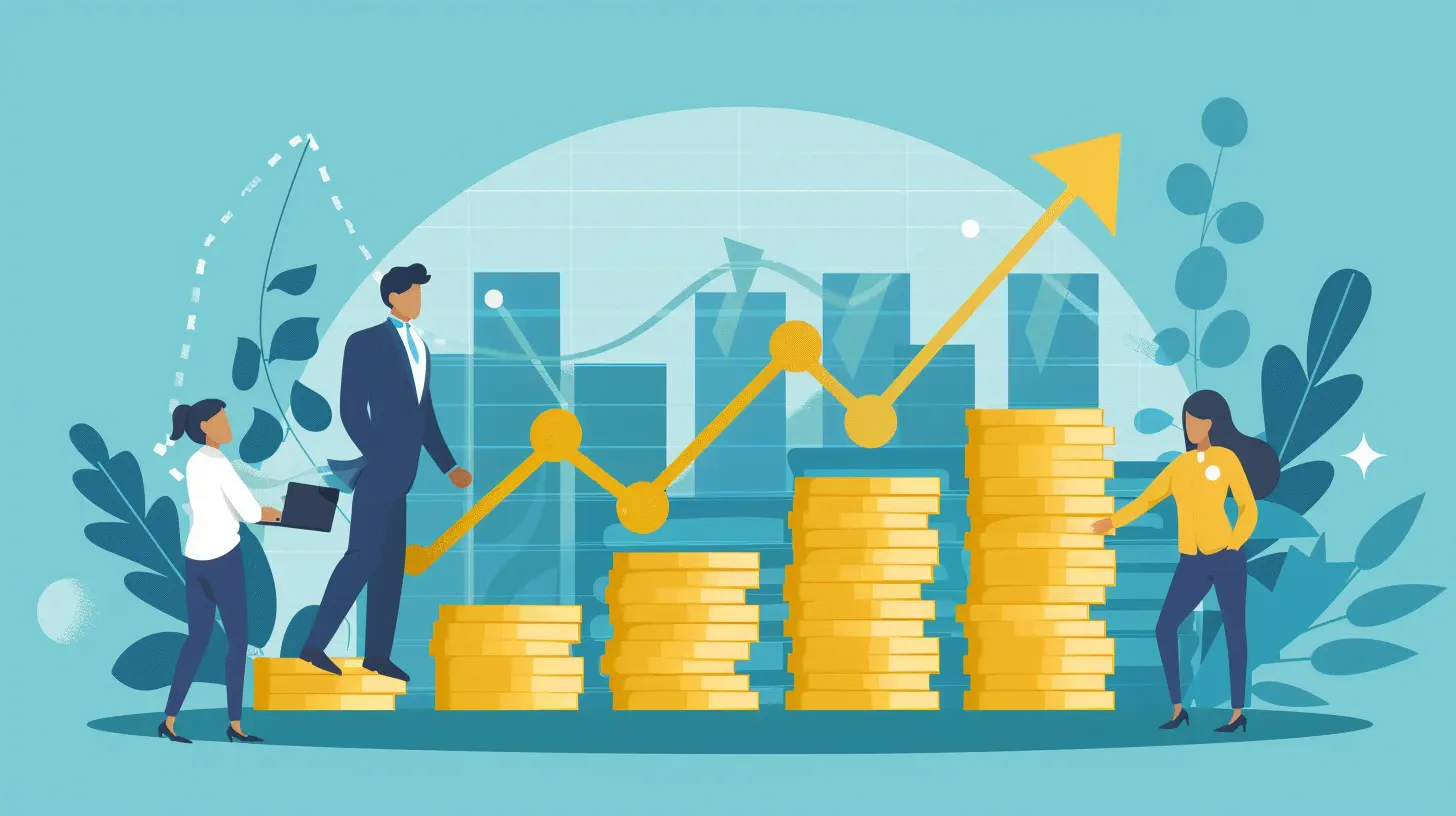
Why Price Increases Are Sometimes Necessary
The first thing to understand is that price hikes aren't always a bad thing. In fact, they can signal growth, quality, and sustainability.1. Inflation Is Real
From the cost of raw materials to shipping and labor, just about everything is more expensive than it was five years ago. If your costs go up and your prices stay the same, you’re shrinking your profit margins. That’s like trying to run a marathon while someone slowly steals your shoes.2. You’re Offering More Value Now
Are you better than you were a year ago? Have you improved your product, upgraded your service, or streamlined your customer experience? If the answer is yes (and it should be), then you’re giving people more value. That alone can justify a moderate increase in price.3. Sustainability and Growth
Running a business isn’t just about surviving the month. It’s about building something sustainable. That might mean hiring better staff, upgrading your tools, or finally paying yourself what you’re worth. And guess what fuels all of that? Yup—revenue.
Common Fears Around Raising Prices
Let’s get real. You’re not afraid of the numbers changing — you’re afraid people will stop buying. That’s natural. But it's also a fear rooted more in assumption than fact.“What if all my customers bail?”
They won’t. Some might leave, sure, but loyal customers who see your value will stick around—especially if you handle the change well.“What if I get angry emails or negative reviews?”
You might get a few. But when you communicate clearly (and with empathy), people tend to understand. Transparency goes a long way.“What if I lose to the cheaper competition?”
If someone picks your competitor solely based on price, they likely weren’t loyal in the first place. You want customers who value what you bring to the table, not just those bargain hunting for the cheapest option.
How to Increase Prices Without Scaring People Off
Alright, now for the juicy part—the “how.” These are practical, battle-tested ways to raise your prices without raising stress levels (yours or your customers').1. Be Upfront and Honest
Transparency is your best friend. Don’t hide the change or bury it in the fine print. Create a clear and friendly message explaining:- What’s changing
- When it’s happening
- Why it’s necessary
Use plain language. Avoid corporate jargon and just talk like a human. Something like:
> “Starting July 1st, our prices will increase by 10%. This helps us maintain the quality and service you expect, even as our own costs rise. We appreciate your understanding and loyalty.”
Simple. Honest. Effective.
2. Give Reasonable Notice
Nobody likes surprises—unless it’s a puppy or pizza. So, give your customers a heads-up. Announce the change at least 30 days in advance. That gives folks time to process, ask questions, or take advantage of your current pricing one last time.Trust is built on reliability. When people feel informed, they feel respected.
3. Add More Value
Just raising your prices without any noticeable improvement? That can feel like a gut punch to your customers.But if you pair that price increase with new benefits, it softens the blow. Think:
- Better customer support
- Improved packaging
- Expanded features
- Faster delivery
It’s like saying, “Hey, you’re paying a little more, but you’re also getting more bang for your buck.”
4. Tiered Pricing Options
One clever way to ease into higher prices is by offering multiple pricing tiers. That way, people can choose what’s right for their budget. Think of it like Starbucks: small, medium, large. Not everyone wants a venti, but those who do can pay accordingly.Tiered pricing tells your customers, “We’ve got something for everyone.”
5. Create Scarcity or Lock-In Deals
Use this strategy wisely, but it works.Tell customers they can lock in the current price if they sign up or renew within a certain timeframe. Not only does that encourage loyalty, but it also creates a little urgency (without being sleazy).
It’s the business version of “act now and save!” — but with integrity.
6. Personalize Communication
If you’re a SaaS company or a service provider with a relatively small client base, go the extra mile and reach out personally.A quick, friendly email or phone call explaining the change can make a huge difference. People value relationships way more than they value a 5% discount.
7. Be Ready for Questions (and Pushback)
Some customers will ask, “Why the change?” Be prepared with honest answers. Maybe your supply costs jumped. Maybe you’re investing in better software for customer support. Whatever it is, own it confidently.Confidence in your value helps others see it too.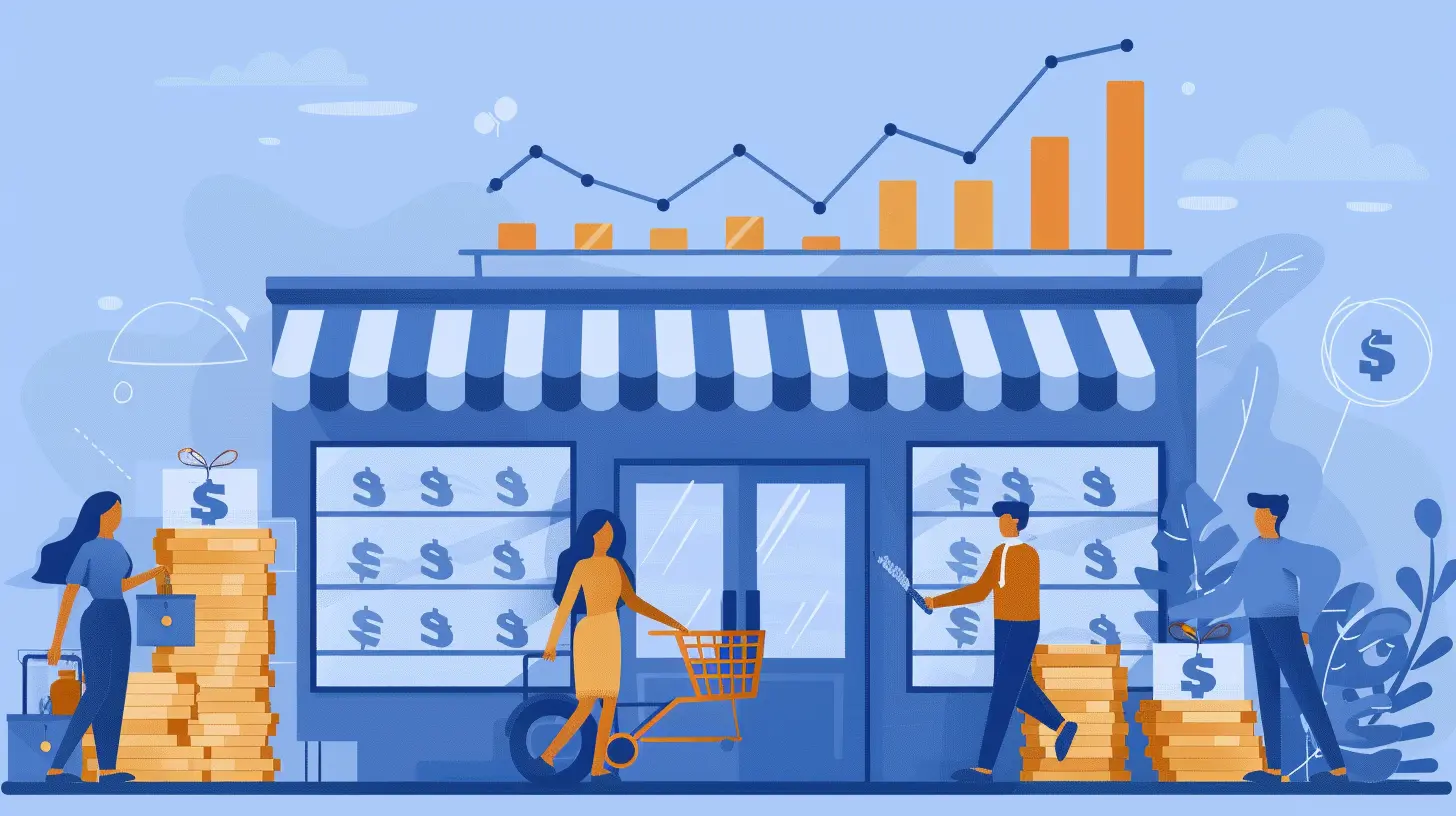
Real-Life Examples That Actually Worked
Let’s take a look at how others pulled this off without losing their customer base.Netflix
Remember when Netflix increased their prices? People grumbled, memes were made, Twitter had a field day—but the majority stayed. Why? Because the value was still there. New content, smoother streaming, better features. They had earned the right to raise their prices.Adobe
Adobe moved from selling boxed software to a subscription model. People hated it. But over time, users realized they always had access to the latest features and cloud storage. The ongoing value justified the recurring cost.Local Service Providers
I’ve seen yoga instructors, coaches, even landscapers handle increases beautifully. They sent heartfelt messages, explained how the money would help them improve their service, and offered clients the chance to “grandfather” their current pricing for a few more months. Result? More loyalty, not less.What to Avoid When Raising Prices
Raising prices is an art—make the wrong move and you’ll create friction. Here are a few classic mistakes to steer clear of:❌ Surprise Price Jumps
Nothing says “we don’t care” quite like a sudden unexplained hike. It feels sneaky and erodes trust.❌ Apologizing Excessively
You don’t need to grovel. Price increases are part of business maturity. Own the decision, but do it with empathy.❌ Being Vague
“Due to various factors…” is corporate speak that just annoys people. Be specific. If your materials got more expensive, say that. Vagueness creates doubt.The Hidden Upside of Raising Prices
Here’s something most people don’t talk about: raising your prices can actually improve your business in more ways than just boosting revenue.? Higher Prices Attract Better Clients
Oddly enough, higher prices can filter out the bargain hunters and attract people who actually appreciate what you offer. These customers tend to cause fewer headaches and stick around longer.? More Profit = More Possibility
That extra income allows you to reinvest in your business, offer better experiences, and scale more sustainably.It’s like upgrading from flip-flops to hiking boots when you’ve got a mountain to climb—suddenly the journey feels a lot more doable.
Final Thoughts: Raising Prices Is an Act of Respect
It’s not about squeezing your customers. It’s about sustaining your service, investing in quality, and respecting the value you provide.When you handle a price increase with confidence, transparency, and empathy, you’re not just saving your customer base—you’re strengthening it. The key is to treat people like people, not numbers. Be real, be human, and always remind them (and yourself) why they chose you in the first place.
So when the time comes to raise your prices—and it will—remember: It doesn't have to be scary. In fact, it can be one of the most empowering moves you make in your business journey.
all images in this post were generated using AI tools
Category:
Pricing StrategiesAuthor:

Lily Pacheco
Discussion
rate this article
2 comments
Zevonis McHugh
I wonder how businesses can balance the need for price increases with customer loyalty. What innovative strategies have others used to keep clients engaged during tough financial decisions?
September 22, 2026 at 2:26 AM
Pia McQuillan
Price increases are tough but can be managed. Clear communication is key. Explain the reasons behind the hike and emphasize the value your product offers. Show appreciation for your customers and consider offering loyalty perks to soften the blow.
September 14, 2026 at 2:32 AM
Lily Pacheco
I completely agree. Transparent communication and highlighting value can definitely help customers understand the changes. Loyalty perks also show that we value their support. Thanks for your input!