How to Use Psychological Triggers to Justify Higher Prices
24 July 2026
Ever wonder why some brands can charge premium prices and still have customers lining up? Yep, I'm talking about those moments when you see a $5 cup of coffee and don’t even flinch — because it’s from Starbucks. Or when Apple launches a new iPhone, and people pre-order like it's a life event.
So, what makes us happily pay more when we know there are cheaper options? Two words: psychological triggers.
In this post, we’re diving into how you can use these sneaky (but ethical!) little nudges in your business to confidently charge more — and have your customers thank you for it.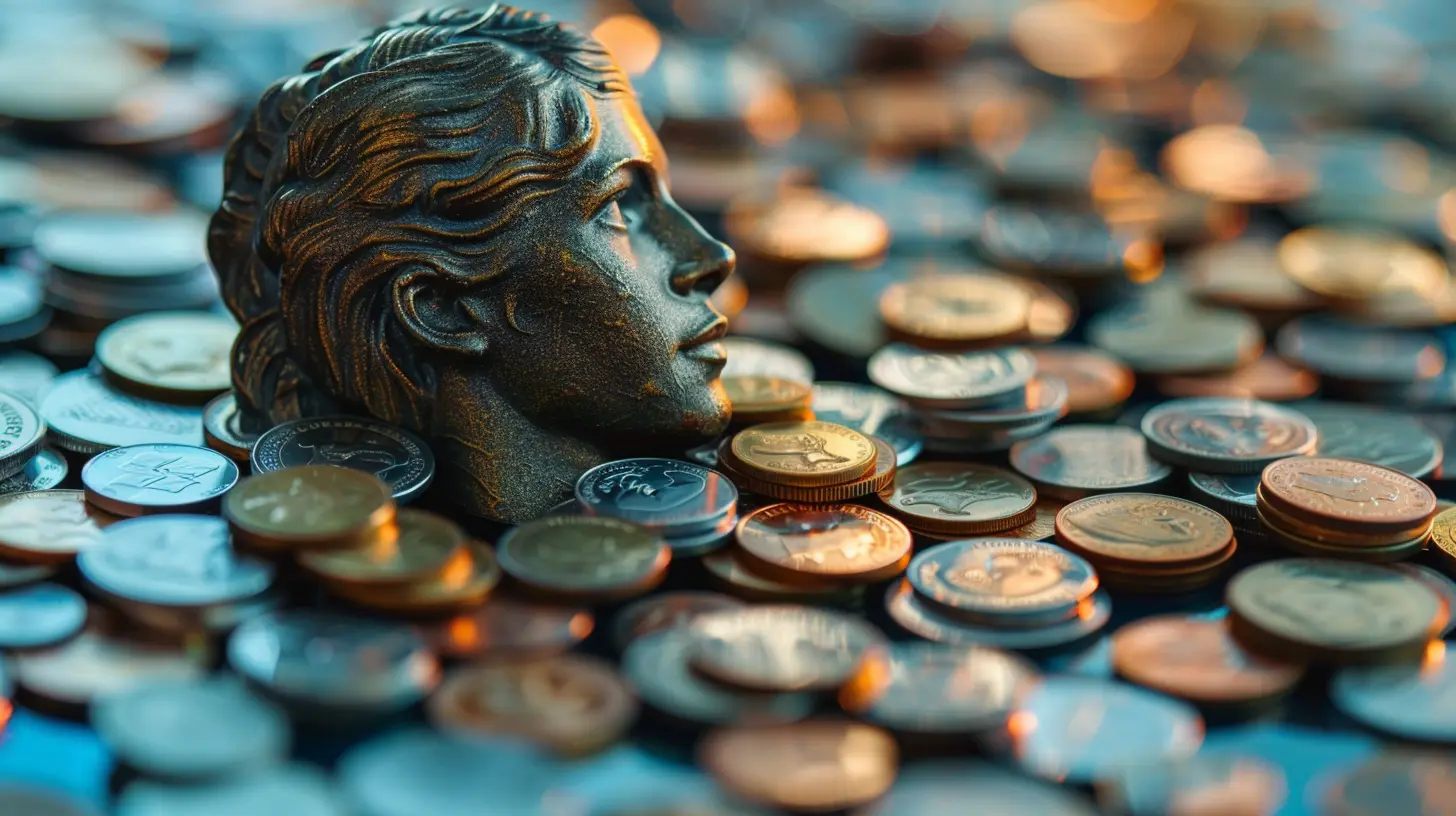
What Are Psychological Triggers, Anyway?
Psychological triggers are little mental shortcuts that guide our behavior. Our brains are wired to take the path of least resistance, especially when making decisions. So, when your customers are deciding whether your product is worth the price, these triggers subtly nudge them toward saying, “Heck yes!”The magic happens when you combine emotional appeal with strategic pricing. Let’s break down the most powerful triggers you can start using today.
1. Social Proof: Everyone’s Doing It, So It Must Be Good
Ever read reviews before buying something online? That’s social proof in action.When people see others buying, loving, and recommending your product, it reinforces the idea that it's valuable — and worth the price.
How to Use It:
- Showcase testimonials and reviews on your website- Add a “best seller” or “most popular” tag to your premium offerings
- Display customer counts, like “Over 10,000 sold!”
Think of it like a party. No one wants to be the only one there. But if everyone’s already on the dance floor, you’ll wanna join in too, right?
2. Scarcity: Fear of Missing Out (FOMO) Is Real
We humans hate missing out — it's that gnawing feeling in your gut that says, “If I don’t act now, I’ll regret it.”Scarcity taps into this instinct perfectly. The idea that something is limited — whether it's time, quantity, or availability — suddenly makes it more desirable. And guess what? That ups the perceived value.
Make Scarcity Work for You:
- Sell limited editions- Offer time-sensitive discounts
- Show real-time inventory limits (e.g., “Only 3 left in stock!”)
This works especially well for higher prices, because that ticking clock creates urgency. Combine it with social proof, and boom — magic.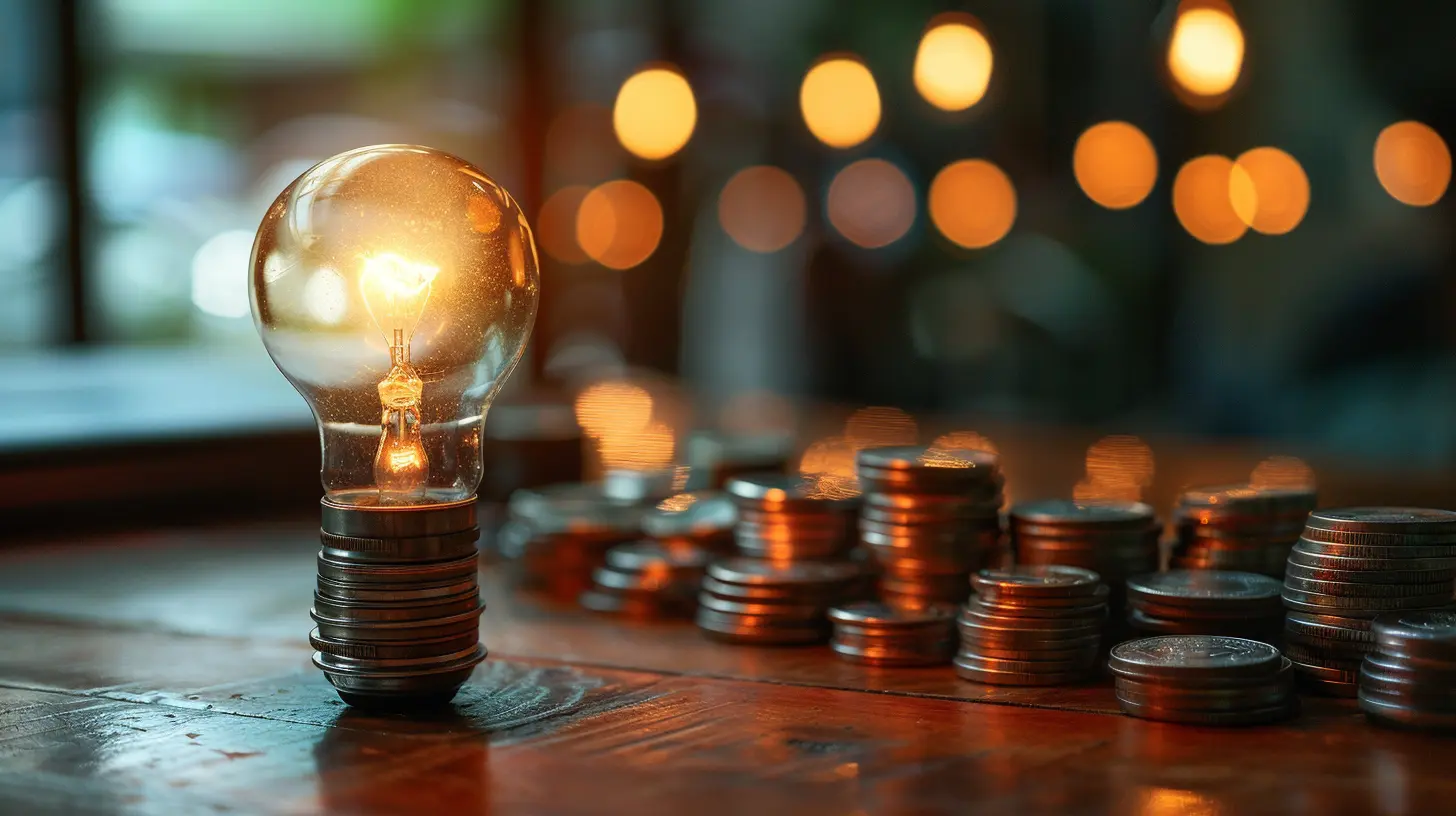
3. Authority: When You Talk, People Listen
We’re naturally inclined to trust someone who sounds like they know what they’re talking about. Think doctors, professors, or even your tech-savvy friend who sets up your Wi-Fi.In marketing, if you position yourself (or your brand) as an authority, people will feel more comfortable spending more.
Position Yourself as an Expert:
- Share your knowledge in blogs, videos, or podcasts- Highlight certifications, awards, or media features
- Use expert-level language — but keep it relatable
When people trust you, they trust your pricing. It's like buying wine: you’re more likely to believe a more expensive bottle tastes better if a sommelier recommends it.
4. Anchoring: Set a High Starting Point
Anchoring is when you give people a reference point to compare prices.Imagine you walk into a store and see a jacket for $600. Whoa. But then right next to it is a $300 one. Suddenly, that second jacket doesn’t seem that bad, right? That’s the anchor in play.
How You Can Use Anchoring:
- List your higher-tier pricing first- Offer premium packages alongside your standard ones
- Highlight the original price when offering discounts (e.g., “Was $499. Now $349.”)
Anchoring helps people perceive value — and nudges them toward the option you actually want them to choose.
5. Framing: Say It in a Way That Clicks
It’s not just what you say — it’s how you say it.Would you rather pay $5 a day or $1,825 per year for a subscription? The price is the same, but the daily cost feels more manageable. That’s framing.
The key is to present your price in a way that feels like a no-brainer.
Framing Tactics:
- Break down prices into smaller, bite-sized amounts- Highlight cost vs. value (“Just $2/day for peace of mind”)
- Emphasize savings over time
Framing makes higher costs feel more digestible — like cutting your steak into smaller bites. Same meal, easier to swallow.
6. Commitment & Consistency: Make It Easy to Say Yes
People like to stay consistent with what they’ve already committed to. So if you can get them to say “yes” to something small, they’re more likely to say “yes” again — even for a higher-priced offer.This is known as the foot-in-the-door technique.
Tips for Using It:
- Start with a low-priced item or free offer- Upsell once trust and engagement are built
- Offer free trials followed by paid plans
It’s like dating. You don’t propose on the first date — you build a connection and work up to it.
7. The Halo Effect: One Good Thing Boosts the Whole Brand
If one product or aspect of your brand is perceived as excellent, that positive impression “spills over” onto everything else. That’s the halo effect.So if you’re knocking it out of the park with one hero product, you can justify higher prices across the board.
How to Build a Halo:
- Focus on creating one standout offering- Create killer design and branding
- Deliver amazing customer experiences
People don’t just buy products — they buy feelings. Make them feel great with one thing, and they’ll assume the rest is just as fabulous.
8. Loss Aversion: Frame the Risk of NOT Buying
Here's something weird about the human brain — we hate losing more than we love gaining.So instead of saying, “Buy this and gain X,” try flipping it: “Don’t miss out on X if you don’t buy this.”
Nail Loss Aversion:
- Highlight what they’re missing without your product- Emphasize the cost of inaction
- Use phrases like “Stop losing time/money/sleep…”
It’s not manipulative — it’s a reminder of the problem they’re facing. And if your solution is priced higher, it feels justified when the “cost” of not solving the problem is clearly worse.
9. Contrast: Make Your Offer Look Like a Steal
You know how movie theaters sell small, medium, and large popcorn, but the medium is only slightly cheaper than the large? That’s contrast pricing.It makes the most expensive option seem like the best value.
Set Up Contrast Pricing:
- Offer 3 pricing tiers (the sweet spot is usually the middle one)- Make the cheapest option clearly lacking
- Load the premium option with value
This isn’t trickery — it’s showing the full picture so your customer sees what they're really getting.
10. Storytelling: Add Emotion to Your Pricing
People don’t fall in love with products — they fall in love with stories.If you can connect your product to an emotion, a transformation, or a mission, customers are more likely to attach value to it. And when something feels valuable on a personal level, price becomes less of an issue.
How to Tell a Value-Driven Story:
- Share your founder's journey- Tell customer success stories
- Highlight the mission behind your brand
Think about why people spend more on TOMS shoes or Patagonia gear — it's not just about the product, it’s about what it stands for.
Bonus Tip: Don’t Apologize for Your Price
This might be the most important one.If you’re constantly defending or discounting yourself, your customers will start to question your value too. But when you stand behind your price with confidence, it sends a message of quality and conviction.
Own Your Value Without Flinching:
- Don’t justify — demonstrate- Focus on benefits, not just features
- Speak with certainty and belief
Here’s the truth: if someone doesn’t see the value, it doesn’t mean you’re overpriced — it means you haven’t clearly communicated the value yet.
Your Price Reflects Your Worth — So Let It Shine
Using psychological triggers isn’t about tricking anyone. It’s about tapping into how people already think and feel so you can meet them there — and walk them toward making a confident buying decision.By combining emotion, logic, and a few well-placed cues, you can elevate your perceived value — and price — without anyone batting an eye.
So go ahead, raise those prices. You’ve earned it.
all images in this post were generated using AI tools
Category:
Pricing StrategiesAuthor:

Lily Pacheco
Discussion
rate this article
1 comments
Wolf Hall
This article offers valuable insights on leveraging psychological triggers to support higher pricing strategies. Understanding consumer behavior is key, and the practical examples provided make it easier to implement these concepts effectively in real-world scenarios.
July 25, 2026 at 2:30 AM
Lily Pacheco
I'm glad you found the insights valuable! Understanding consumer behavior truly makes a difference in pricing strategies. Thank you for your thoughtful feedback!