How to Use Volume Discounts to Drive Larger Sales
9 February 2026
Ever walk into a store planning to buy one item but end up walking out with five because of a “Buy More, Save More” offer? That’s the magic of volume discounts in action.
Volume discounts aren't just a fancy marketing trick—they're a tried-and-true strategy used by both big brands and small businesses to drive larger sales, move inventory faster, and reward loyal customers. Whether you're in e-commerce, B2B services, manufacturing, or even software sales, offering volume discounts can give your business a significant edge.
So, how do you use this strategy effectively without cutting too deep into profits? Let’s break it down step-by-step.
What Are Volume Discounts?
In plain English, volume discounts are price reductions offered to customers who purchase larger quantities of a product or service. The basic idea: the more you buy, the less you pay per unit.There are a few types:
- Tiered Discounts: Pay less as you climb volume tiers (e.g., 1–10 units = $10/item, 11–20 = $9/item).
- Package or Bundle Deals: Buy a set amount for a discounted total (e.g., 3 items for $25 instead of $30).
- BOGO Offers: Buy one, get one at a discount or free (which technically falls under volume incentives).
- Custom Bulk Pricing: Special pricing for large, often negotiated orders.
But let’s not get too caught up in definitions. What matters is: how can this concept actually turbo-charge your sales?
Why Volume Discounts Work Like a Charm
Think about it—people love a deal. It triggers something in our brains that says, “Hey, I’m getting more for less!” That's powerful psychology. But beyond feel-good vibes, volume discounts benefit your business too.1. Encourages Larger Purchases
This one’s obvious—offering a discount for higher volumes directly motivates customers to buy more than they might have originally planned. That can mean quicker inventory turnover, more revenue per buyer, and fewer small, uneconomical orders.2. Enhances Customer Loyalty
Frequent buyers and B2B clients especially love volume discounts. It shows you're rewarding their commitment to your business. Offer them custom deals or tier-based pricing, and they’re far more likely to stick around for the long haul.3. Provides Competitive Edge
In a crowded market, a well-placed volume discount can be the deciding factor for buyers choosing between you and a competitor.4. Reduces Storage Costs
Got a warehouse full of stock? Offering bulk discounts helps reduce inventory and free up space. It’s a win-win—you move your products faster, and your customer gets a deal.
When Should You Use Volume Discounts?
You shouldn't just slap on a discount and hope for the best. Timing and context matter a lot.- When You Launch a New Product
Introduce your new product with volume discounts to encourage trials. This is especially useful for consumables or products with repeat potential.- During Seasonal or Holiday Sales
Running volume discounts during key shopping seasons (think Black Friday, Christmas) can help maximize sales volume when demand is already high.- For Targeted Business Customers
If you're in B2B, offer bulk deals to customers who routinely order large quantities. Customize the pricing based on their purchase history.- When You Have Overstock
Got slow-moving inventory? Volume discounts are a great way to clear it out without making your products look cheap.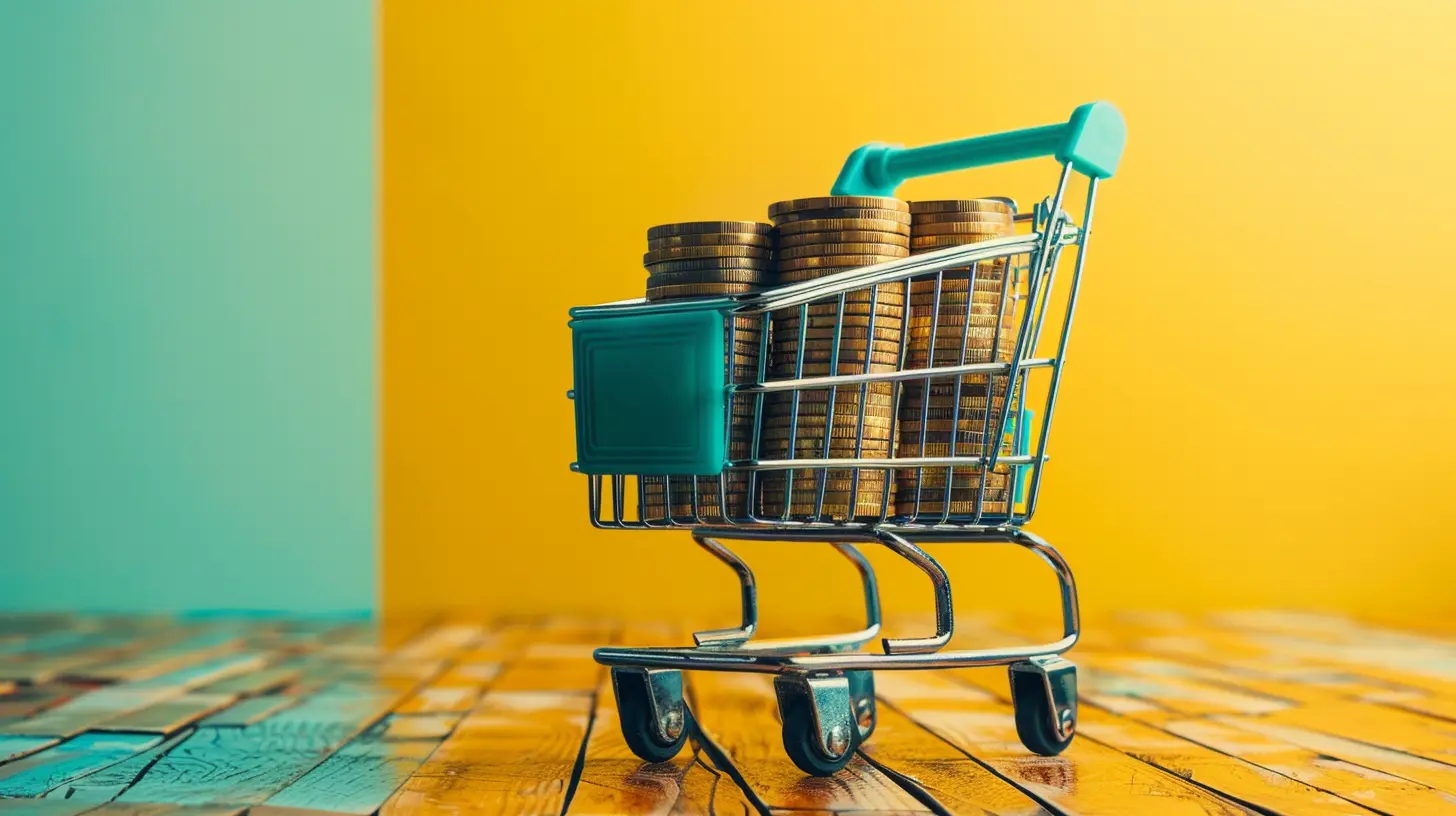
How to Create an Effective Volume Discount Strategy
Let’s roll up our sleeves. Here’s how to put volume discounts to work for real gains.1. Know Your Margins (Seriously)
Before offering any discount, you need to understand exactly how low you can go without cutting into profit. Factor in production, shipping, storage, and any hidden costs. Use profit margin calculators if necessary.If you're discounting below cost just to “move units,” you're setting your business up for trouble.
2. Segment Your Customers
Not all customers are created equal. Some may be more sensitive to pricing, while others value service, speed, or exclusivity.Segment your audience:
- Small buyers who may upgrade
- Loyal customers who deserve rewards
- High-volume buyers who can give repeat large orders
Tailor your discount strategy to each of these segments. You don't need to give the same discount to everyone.
3. Set Clear and Appealing Tiers
Your volume discount tiers should feel like a deal at every level. Make the jump from one tier to the next enticing. For example:| Quantity | Price per Unit |
|----------|----------------|
| 1–9 | $20 |
| 10–24 | $18 |
| 25+ | $15 |
Why this works: customers doing the math will realize they can get more for a slightly higher cost.
4. Use Discounts as a Time-Limited Incentive
Scarcity + value = urgency. Add a deadline to your deal:> “Buy 20 or more and get 15% off — this week only!”
People act faster when they know a deal is going away. Just don’t cry wolf too often; if every week is ‘sale week’, customers stop caring.
5. Promote It Everywhere
What’s the point of a great discount if no one sees it?- Highlight volume discounts on product pages
- Mention them in your email newsletters
- Use popups or banners on your website
- Share on social media with real examples
"Buy 3, Save 10%" is a simple message that can work wonders when placed strategically.
6. Track Results and Optimize
You don’t just “set and forget.” Monitor how your discounts are performing:- Are customers buying more?
- Are your profit margins stable?
- Are repeat purchases going up?
Use tools like Google Analytics, CRM software, or POS reports to track trends. If one tier is underperforming, tweak it.
Common Mistakes to Avoid
Let’s keep it real—volume discounts can backfire if not done thoughtfully. Here are a few pitfalls to dodge:Don’t Devalue Your Product
Too much discounting can train your customers to wait for sales. It can also make your product seem less valuable. The trick is to make the deal feel like a reward, not an expectation.Avoid Overcomplicating the Offer
“Get 5% off if you buy 3, but only if it’s Tuesday and you use a red credit card.” No thanks.Keep it simple and easy to understand. The fewer conditions, the better the response.
Don’t Ignore Your Loyal Customers
If you've been offering volume discounts to new customers but ignoring your regulars, you're doing it wrong. Offer loyalty-based volume deals that reward ongoing purchases, not just first-time splurges.Real-Life Examples of Volume Discounts That Work
Amazon & Bulk Savings
Ever notice how Amazon often suggests buying a 6-pack of something for slightly less per item? They’re nudging you into volume savings while increasing their cart value.Costco’s Entire Business Model
Costco is built on volume discounts. You buy in large quantities, save money, and end up adding more to your cart than planned. It’s a masterclass in bulk pricing.SaaS Tiers with User-Based Pricing
Tools like Slack or Zoom charge per user—but the more users you add, the less you pay per head. That’s a volume discount in disguise—and it works beautifully for scaling businesses.Tailor Discounts to Your Industry
Here’s a quick guide based on business types:E-commerce
Offer bundle deals, multi-buy discounts, or tiered pricing. Include “Buy X, Save Y” messages prominently on product pages.B2B
Provide personalized quotes based on quantity. Offer long-term contracts with discounted bulk rates.Service Providers
Think hours or sessions. Offer discounts if someone books more sessions upfront (e.g., 10 sessions for the price of 8).Subscription Businesses
Add volume tiers based on the number of users or shipments. Encourage customers to upgrade to higher plans for better per-unit rates.Final Thoughts
Volume discounts are more than just a way to offload surplus stock. When done right, they nurture long-term customer relationships, encourage higher spending, and give your business a solid edge in a competitive market.It’s all about balance—offering enough value to thrill your buyers, without sacrificing your bottom line. Start small, track performance, and adjust based on what your customers respond to. Over time, this simple pricing strategy can translate into big results.
Remember: people don't always buy more because they need more. Sometimes, they buy more because the deal is just too good to pass up. That’s the lever volume discounts pull—and now, you’ve got the roadmap to use them wisely.
all images in this post were generated using AI tools
Category:
Pricing StrategiesAuthor:

Lily Pacheco
Discussion
rate this article
2 comments
Starling Franco
Implementing volume discounts can significantly enhance customer loyalty and boost sales revenue. By strategically offering price reductions for bulk purchases, businesses not only increase order sizes but also foster long-term relationships with clients, ultimately driving sustained growth and profitability.
March 30, 2026 at 3:37 AM
Lily Pacheco
Absolutely, volume discounts can create a win-win situation. They encourage larger purchases while building trust and loyalty with customers. It's all about creating value for both sides.
Tyler Bishop
Unlock your business's true potential! Embrace volume discounts to empower customers, boost sales, and cultivate loyalty. It's not just a strategy; it's a game-changer for sustainable growth. Seize the opportunity!
February 13, 2026 at 3:54 AM
Lily Pacheco
Great point! Volume discounts can really transform customer relationships and drive sales. It's all about creating value for both sides. Thanks for sharing!