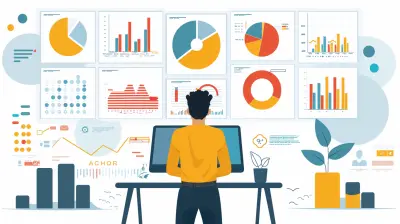
Is Your Pricing Strategy Ready for 2027's Economic Landscape?
13 May 2026
Let me ask you something honest: when was the last time you actually sat down and stress-tested your pricing? Not just glanced at your profit margins during a quarterly review, but really thought about what your prices say about your business, your customers, and the world we're heading into?
If you're like most business owners I talk to, pricing feels like a necessary evil. You set it once, maybe tweak it when costs go up, and hope nobody complains too loudly. But here's the uncomfortable truth: the economic landscape of 2027 is going to look nothing like what we're used to. And your current pricing strategy? It might be the anchor that sinks your ship.
I'm not here to scare you. I'm here to help you get ahead of the curve before the curve flattens you.

Why 2027 Feels Like a Different Planet
You've heard the buzzwords: inflation, supply chain shifts, AI disruption, changing consumer behavior. But let's strip away the jargon. The world in 2027 will be defined by three big forces that directly hit your pricing decisions.First, purchasing power is becoming hyper-fragmented. Some customers will have more money than sense. Others will be pinching every penny. The middle ground is shrinking fast. If you're using a one-size-fits-all price, you're leaving money on the table with one group and alienating another.
Second, transparency is no longer optional. Customers can compare your price against three competitors in under ten seconds. They know what your raw materials cost, what your employees make, and what your competitors charge. Your pricing has to hold up under that scrutiny.
Third, value perception has shifted. People don't just buy products or services anymore. They buy outcomes, experiences, and alignment with their values. If your price doesn't communicate that you understand their world, they'll walk.
So here's the kicker: are you pricing based on what you need, or based on what your customer actually values? There's a difference, and that difference is where 2027's winners will be made.

The Biggest Pricing Mistakes I See Right Now
Before we talk about fixing things, let's call out the elephants in the room. I've worked with dozens of businesses, and I see the same patterns over and over.Cost-plus pricing is a slow death. You add up your expenses, slap on a 20% margin, and call it a day. That works in a stable economy. In a volatile one, it's like driving a car while only looking in the rearview mirror. Your costs change, your competitors change, and your customers' willingness to pay changes. Cost-plus ignores all of that.
Discounting as a reflex. When sales slow down, the first instinct is to cut prices. I get it. It feels like the easiest lever to pull. But discounting trains your customers to wait for a sale. It erodes your brand value. And it turns your product into a commodity. If you're always running a promotion, you're not running a business. You're running a race to the bottom.
One price for everyone. I already mentioned this, but it's worth repeating. In 2027, the customer who wants premium white-glove service and the customer who wants bare-bones basics are two different people. Treating them the same is lazy and costly. You need pricing tiers that match different levels of value.
Ignoring psychological pricing. We all laugh at $9.99 instead of $10.00, but the psychology runs deeper. The way you frame a price matters enormously. Is it $200 per month, or $6.66 per day? Is it a one-time fee, or a subscription that includes ongoing support? The same number feels completely different depending on how you present it.
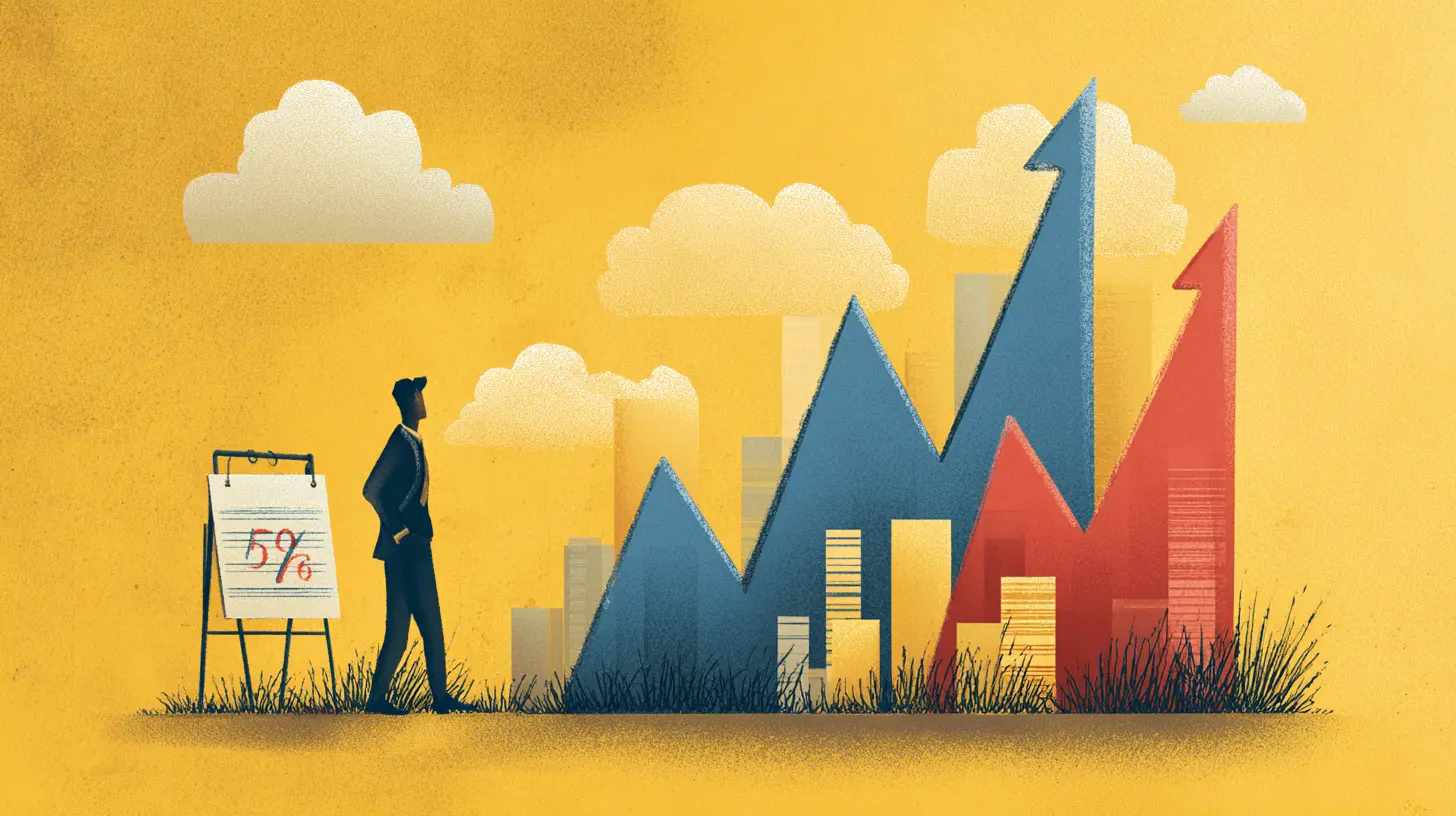
What 2027's Customer Actually Wants
Let's get inside their heads for a moment. The 2027 customer is skeptical, informed, and impatient. They've been burned by hidden fees, bait-and-switch tactics, and companies that treat them like numbers. They want clarity, fairness, and a sense that you're on their side.But here's the twist: they're also willing to pay a premium for trust. If you can demonstrate that your pricing is fair, transparent, and aligned with their outcomes, they'll pay more than they would for a cheaper alternative that feels shady.
Think about it like this. Would you rather buy a $50 widget from a company that explains exactly what you're getting, offers a money-back guarantee, and has reviews that back it up? Or a $40 widget from a company that hides the fine print and makes you jump through hoops to get support? Most people will choose the $50 option, because the perceived risk is lower.
That's the opportunity. Your pricing strategy in 2027 shouldn't just be about numbers. It should be about signaling trust, value, and partnership.

The Framework for a 2027-Ready Pricing Strategy
Alright, let's get practical. Here's a step-by-step framework you can start using today. It's not a magic bullet, but it's a solid foundation.Step 1: Know Your Customer's "Why"
You cannot price effectively if you don't understand what your customer is actually buying. I'm not talking about features. I'm talking about the emotional and practical outcome they want.A plumber doesn't sell pipe repairs. They sell peace of mind and a dry basement. A software company doesn't sell code. They sell time saved and headaches avoided. A coach doesn't sell sessions. They sell clarity and confidence.
Ask yourself: what is the one thing your customer would pay almost anything to avoid? And what is the one thing they'd pay almost anything to achieve? Your price should reflect that value, not your cost.
Step 2: Build Price Anchors
Humans are terrible at judging value in a vacuum. We need comparisons. That's why you see "was $199, now $99" all over the place. The "was" price is an anchor that makes the "now" price feel like a deal.You can do this without being dishonest. Offer a premium tier that's intentionally expensive. Even if nobody buys it, it makes your mid-tier look reasonable. Or show the cost of not using your product. "Without our service, you'll spend $500 per month on inefficiencies. With us, you pay $200. Which would you rather have?"
Anchors are powerful. Use them wisely.
Step 3: Create Tiered Offerings
I'm a big fan of the "good, better, best" model. It covers more customer segments and gives people a sense of control. The key is to make the middle tier your most popular option, but design the "best" tier to be irresistible for your high-value customers.Don't just add more features to the higher tiers. Add more outcomes. The premium tier should solve a bigger problem or deliver faster results. Price accordingly.
Step 4: Test, Test, Test
Here's where most businesses fail. They set a price and never touch it again. In 2027's fast-moving economy, that's suicide. You need to be constantly testing small changes.Raise your price by 5% for a week and see if anyone notices. Offer a limited-time discount to a specific segment and track the response. Move your pricing from monthly to annual and see if retention improves.
The data will tell you what works. But you have to be willing to listen.
Step 5: Communicate the "Why" Behind Your Price
This is the secret weapon that most businesses ignore. When you raise prices, don't just send a terse email. Explain why. "We've invested in better materials, faster shipping, and improved support. To keep delivering that level of quality, we need to adjust our pricing."Customers are surprisingly understanding when you're transparent. They hate surprises more than they hate higher prices. Give them context, and they'll usually stick with you.
Real-World Examples That Work
Let me give you two quick examples from businesses I've advised.One was a small consulting firm charging $150 per hour. They switched to a value-based model where they charged $5,000 for a specific outcome (like a completed marketing plan). The clients loved it because they knew exactly what they were paying for. The firm doubled revenue in six months.
Another was a SaaS company with a flat $49 per month plan. They introduced a $19 per month "starter" plan with limited features and a $99 per month "pro" plan with advanced analytics. The starter plan attracted price-sensitive customers who would have never signed up before. The pro plan attracted power users who were happy to pay more. Total revenue went up by 40%.
The lesson? Don't be afraid to restructure. Your current pricing might be leaving money on the table and scaring off customers at the same time.
How to Avoid the "Race to the Bottom"
There's a temptation in every industry to compete on price. It's the easiest path, but it's also the most dangerous. Once you start cutting prices, your competitors will match you. Then you cut again. Pretty soon, nobody is making money, and the only winners are the customers who get cheap, low-quality stuff.The antidote is differentiation. If your product or service is truly unique, you can charge a premium. But "unique" doesn't have to mean revolutionary. It can mean better customer service, faster delivery, a stronger guarantee, or a more convenient experience.
Ask yourself: what is the one thing you do that nobody else does well? That's your pricing leverage.
The Role of Technology in Pricing
I'd be remiss not to mention technology. By 2027, dynamic pricing tools will be commonplace. Think of how airlines and hotels adjust prices based on demand. Small businesses can now do the same with simple software.You don't have to go full algorithm mode. But you should at least track your competitors' prices and your own conversion rates. If you see a pattern where customers consistently buy at a certain price point, lean into it.
Just be careful not to over-optimize. Dynamic pricing can feel manipulative if it's not transparent. Use it to adjust to market conditions, not to squeeze every last dollar from your customers.
A Final Thought on Courage
Here's the hardest part of pricing: it requires courage. It's scary to raise prices. It's scary to change your model. It's scary to tell customers that the old deal is gone.But staying stuck in a pricing strategy that worked five years ago is even scarier. The economic landscape of 2027 will reward businesses that are bold, thoughtful, and customer-focused. It will punish businesses that are passive, reactive, and afraid.
So I'll leave you with this question: what's one change you can make to your pricing this week that would better align with the world we're heading into? It doesn't have to be huge. It just has to be a step forward.
Because the businesses that survive and thrive in 2027 aren't the ones with the lowest prices. They're the ones with the smartest strategies.
all images in this post were generated using AI tools
Category:
Pricing StrategiesAuthor:

Lily Pacheco
Discussion
rate this article
1 comments
Shiloh Pruitt
Consider aligning your pricing strategy with emerging trends to stay competitive in 2027's evolving economic climate.
May 26, 2026 at 10:23 AM
Lily Pacheco
Thanks for the insight! Adapting to trends is key for staying ahead.