Overcoming Bias in Performance Reviews: Tips for Fair Evaluation
10 August 2026
Performance reviews—love them or hate them, they play a crucial role in shaping employees' careers. These reviews determine promotions, raises, and sometimes even job security. But here's the problem—unconscious bias can creep in, leading to unfair evaluations.
Think about it: Have you ever received feedback that felt off? Maybe it focused on personality rather than performance, or perhaps your wins were downplayed while others got praised for similar achievements. Bias in performance reviews is more common than we’d like to admit, and it’s harmful to employees and organizations alike.
The good news? Bias isn’t unbeatable. With the right strategies, managers and businesses can create a fair, unbiased performance evaluation process that benefits everyone. Let’s dive into how we can overcome bias in performance reviews and ensure evaluations reflect actual performance, not personal perceptions.
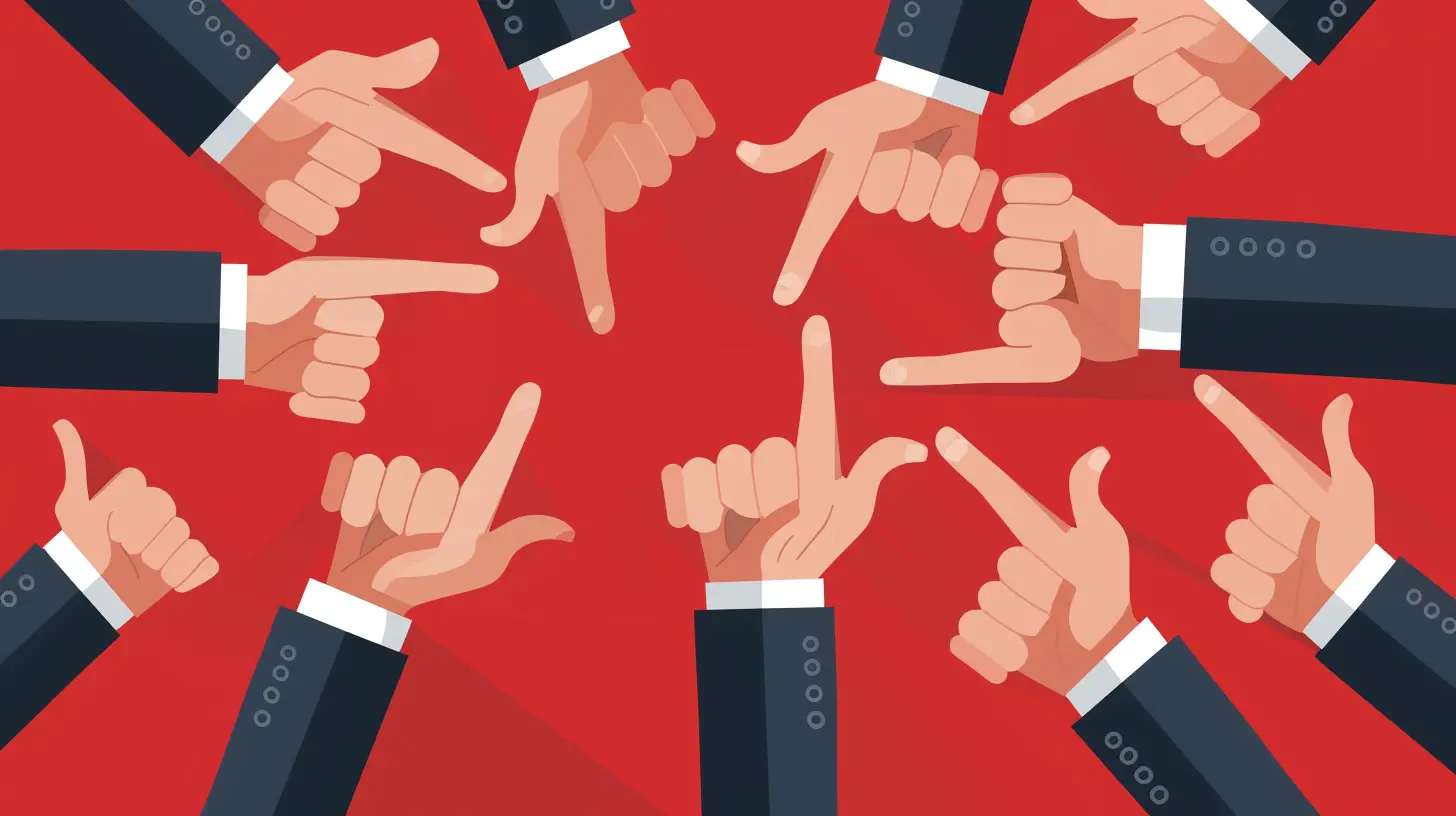
Understanding Bias in Performance Reviews
Before we can fix bias, we need to recognize where it exists. Bias isn’t always intentional—most of the time, it operates on a subconscious level. Unfortunately, these biases can lead to unfair assessments that limit career growth and harm workplace morale.Common Types of Bias in Performance Reviews
Here are some of the most prevalent biases that creep into performance evaluations:1. Recency Bias
Evaluators tend to focus on the most recent events rather than considering an employee’s overall performance throughout the review period. If an employee had a fantastic first six months but made a mistake in the last week, that one mistake may overshadow an otherwise stellar review.2. Halo and Horn Effect
This happens when one positive trait (halo) or one negative trait (horn) influences the entire evaluation. If an employee is exceptionally good at one task, their weaknesses might be overlooked. Conversely, if they struggle in one area, their strengths may be ignored.3. Affinity Bias
People naturally gravitate toward those who share similar backgrounds, interests, or personalities. If a manager connects more with one employee than another, they might unknowingly give them a more favorable review.4. Gender and Racial Bias
Studies have shown that women and minorities often receive feedback that is more vague or personality-focused compared to their white male counterparts, who tend to get more actionable and constructive evaluations.5. Leniency or Severity Bias
Some managers are naturally more lenient, giving high ratings across the board, while others are overly critical. Neither approach offers an accurate view of actual performance.6. Contrast Bias
This occurs when employees are compared to each other rather than being evaluated against set performance criteria. If one employee outshines others, their peers might unintentionally receive lower ratings, even if they’ve done well.
How Bias Affects Employees and Businesses
Biased performance reviews don’t just hurt employees—they hurt businesses too. When employees feel unfairly evaluated, they become disengaged. A disengaged employee is less productive, less motivated, and more likely to leave. High turnover means businesses lose talented workers, which leads to higher hiring and training costs.Beyond that, bias stifles diversity. If only certain groups get fair assessments and advancement opportunities, companies end up with a lack of diverse leadership and viewpoints. That’s bad news for innovation and growth.

Practical Tips to Overcome Bias in Performance Reviews
Now that we know the problem, how do we fix it? Here are some actionable steps businesses can take to ensure fair and unbiased performance evaluations.1. Use Structured Criteria
One of the best ways to eliminate bias is by using a standardized evaluation form with clear, measurable criteria. Instead of vague statements like “great team player,” set specific performance benchmarks such as “collaborated effectively on three major projects.”2. Encourage Self-Assessments
Self-assessments allow employees to highlight their own achievements and challenges before receiving feedback. This not only gives managers more insight but also ensures employees have a voice in their own evaluation.3. Implement 360-Degree Feedback
Instead of relying solely on one manager’s opinion, gather feedback from multiple sources—peers, direct reports, and even clients. A well-rounded view reduces bias and provides a more accurate assessment of an employee’s contributions.4. Use Data and Objective Metrics
Whenever possible, rely on data rather than opinions. Metrics like sales numbers, project completion rates, and customer satisfaction scores provide concrete evidence of performance rather than relying on subjective observations.5. Train Managers on Unconscious Bias
Most managers don’t even realize they have biases. Regular training on recognizing and reducing unconscious bias can make a huge difference in how evaluations are conducted. A well-informed manager is less likely to fall into common bias traps.6. Review and Calibrate Evaluations
After managers complete their reviews, have a second layer of review. Senior leadership or an HR team can cross-check evaluations for consistency and fairness, ensuring that similar performances receive similar ratings.7. Encourage Specific Feedback
Instead of vague feedback like “needs to be more confident,” push managers to provide actionable insights. A better alternative would be: “Taking more initiative in team meetings would help enhance leadership presence.” Specific feedback helps employees improve rather than leaving them guessing.8. Try Blind Reviews
Removing names and personal details from performance reviews can minimize biases related to gender, race, or other identifying characteristics. While this may not always be feasible, even partial blind review processes can help.9. Monitor Trends and Disparities
HR departments should analyze performance review results to identify patterns. Are women consistently rated lower than men? Do certain ethnic groups receive less constructive feedback? Tracking these trends can help uncover hidden biases.10. Foster a Culture of Fairness and Accountability
At the end of the day, eliminating bias isn’t just about fixing performance reviews—it’s about creating a workplace culture where fairness is the norm. Encourage open discussions about bias, hold managers accountable, and make fairness a core company value.
Final Thoughts
Performance reviews should empower employees, not hold them back. But when bias sneaks in, they can do more harm than good. The key is awareness, intentionality, and structured processes that minimize the influence of personal perceptions.By implementing these strategies, businesses can ensure that performance evaluations are truly about performance—not unconscious bias. And when employees feel fairly assessed, they’re more engaged, motivated, and ready to give their best.
So, next time you’re conducting or receiving a performance review, ask yourself: Is this feedback based on data and achievements, or is bias playing a role? The more we question our own assumptions, the closer we get to fair evaluations.
all images in this post were generated using AI tools
Category:
Performance ManagementAuthor:

Lily Pacheco
Discussion
rate this article
2 comments
Reid McLaury
This article provides valuable insights into addressing bias in performance reviews. By implementing structured feedback and fostering a culture of open dialogue, organizations can enhance fairness in evaluations. It's crucial for leaders to be aware of their own biases to promote a more equitable workplace.
August 13, 2026 at 3:19 AM
Lily Pacheco
Thank you for your insightful comment. I'm glad you found the tips helpful for promoting fairness in evaluations. It's vital for leaders to lead by example in addressing their own biases.
Morrow Lawson
Fair evaluations require awareness and intentionality to overcome inherent biases effectively.
August 11, 2026 at 4:59 AM
Lily Pacheco
Absolutely, being mindful of our biases is crucial for fair evaluations. It takes effort, but it's essential for an accurate assessment.