Tailoring Your Pricing Strategies for Different Customer Segments
10 September 2026
Let’s get real for a second: pricing isn’t just about slapping a number on a product and hoping for the best. Nope, not even close. If you really want to maximize profits, outshine your competitors, and win customer loyalty, you’ve gotta dig a little deeper. We're talking about tailoring your pricing strategies to different customer segments — because not every customer is the same, and neither is their willingness to pay.
You wouldn’t sell a Tesla the same way you sell a Toyota, right? Well, the same goes for pricing your offerings. In this post, I’m going to walk you through the what, why, and how of customizing your pricing strategies for different customer segments, while keeping things light, fun, and super actionable.
Let’s dive in.
Why One-Size-Fits-All Pricing Just Doesn’t Cut It Anymore
Picture this: you walk into your favorite burger joint. You’ve got the budget-friendly $5 burger, the mid-tier $10 combo, and the deluxe $20 gourmet option. Do you see what’s happening there?It’s tiered pricing — and it’s brilliant.
Why? Because not everyone’s wallet is made equal. Some people are price-sensitive and just want something cheap and fast. Others want quality and are totally fine paying extra for it. If you price everything the same, you’re either leaving money on the table or scaring away budget-conscious customers. Either way, you're losing.
Let’s Talk Customer Segments
Before you even think about pricing, let’s identify who we’re talking to. Here are a few common customer segments you’re probably dealing with:- Budget buyers — Always hunting for deals and considering price before anything else.
- Value seekers — Not the cheapest, but they want bang for their buck.
- Premium buyers — Willing to pay top dollar for the best quality or prestige.
- Business clients — Looking for ROI, reliability, and long-term support.
- Impulse buyers — Act fast, driven by emotion and urgency.
Each of these personas has different expectations, needs, and yes — price thresholds. So, why would one pricing strategy work for all?
The Psychology Behind Pricing: It’s Deeper Than You Think
It’s not all spreadsheets and math formulas. Pricing is psychological. Some folks see a higher price and immediately think, “Ooh, this must be better quality.” Others see that same price and think, “Nope. Way too expensive.”Anchoring and Decoy Pricing
Ever notice how there’s always a super pricey item on the menu that makes everything else seem “reasonable?” That’s called anchoring — and it works like a charm.And don’t even get me started on decoy pricing. Imagine three options:
- Basic Plan — $10/month
- Pro Plan — $20/month
- Elite Plan — $21/month
Most people would pick the Pro Plan because Elite only offers a smidge more for a lot more money. But what if the Elite Plan was $40/month? Suddenly, $20/month feels like a sweet spot.
People aren’t logical… They’re emotional. So factor that into your pricing approach.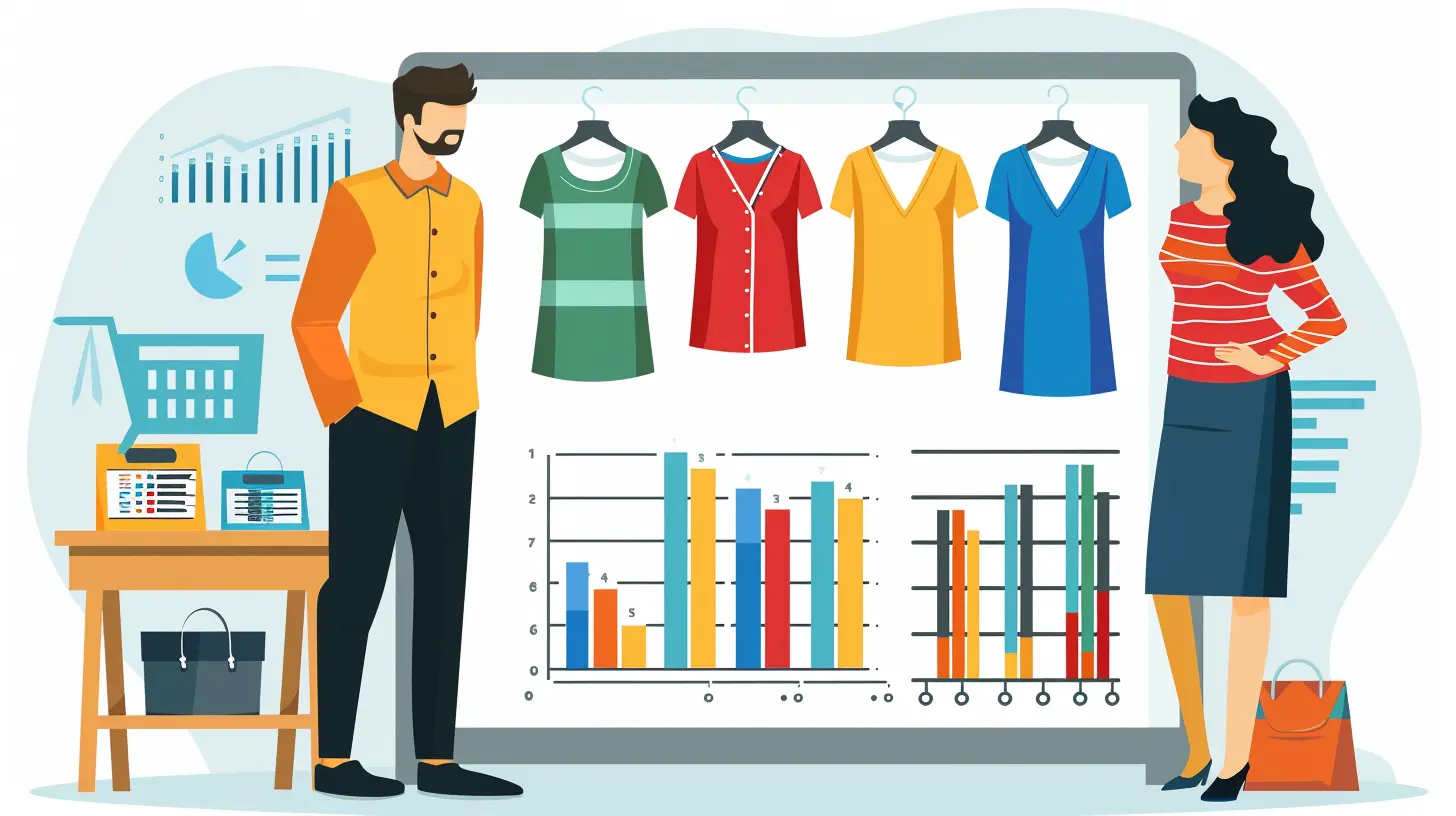
How to Tailor Your Pricing for Different Customer Segments
Alright, let’s get down to business. Here's how you can tweak your pricing depending on the customer you’re targeting.1. Offer Tiered Pricing Plans
This is hands-down one of the most popular (and effective) ways to cater to different segments.Think "Freemium" models: a free basic option, a mid-tier paid plan, and a high-end version with all the bells and whistles. Everyone finds the version that fits their budget and needs, and you increase your chances of conversion.
Pro Tip: Don’t just change the price — change the value. Upsell with features, convenience, or priority support.
2. Bundle Products or Services
People love getting more for their money. Bundling is perfect for value seekers and business clients. For example, instead of selling a software license, training, and support separately, create a bundle: "Complete Starter Kit — save 20%!"Not only does this increase perceived value, but it also gives customers a reason to choose your business over a competitor.
3. Implement Geographic Pricing
Selling globally? Don't forget regional pricing.A $50 product might be dirt cheap in New York but a luxury in rural India. Consider local income levels, exchange rates, and cultural expectations. Tools like geolocation pricing and IP-based pricing help make this seamless.
Just be transparent—nobody wants to feel like they’re being charged more for no reason.
4. Introduce Loyalty Discounts & Membership Pricing
If someone’s invested in your brand, reward them. Offer exclusive pricing for repeat customers, subscribers, or members.This works wonders for customer retention and keeps you top-of-mind over time. You’re not just charging them — you’re building a relationship.
5. Utilize Time-Sensitive Promotions
Impulse buyers love a good deal. Flash sales, limited-time discounts, and early-bird pricing get them to act fast. It adds urgency and taps into FOMO (Fear of Missing Out), which is a powerful motivator.Just be careful—don’t overdo it. You don’t want people to expect a discount every time they visit your site.
6. Custom B2B Pricing
If you’re in the B2B space, rigid pricing won’t cut it. Business clients often want long-term value, scalability, and personalization.Here’s where you can get creative: sliding scales, volume discounts, annual contracts, or even value-based pricing. Sit down with your clients and figure out what matters most to them.
Don’t be afraid to negotiate — B2B pricing is often more of a conversation than a fixed menu.
Mistakes to Avoid When Tailoring Your Pricing
Not everything that sounds clever is a good idea. Here are some common pitfalls to watch for:❌ Overcomplicating Your Pricing
If your pricing page looks like a Rubik’s cube, people will bounce. Keep it simple, clear, and digestible. Users should understand instantly what they’re getting and why it’s worth the price.❌ Ignoring Customer Feedback
If your customers are constantly asking questions like, “Why is this so expensive?” or “Why don’t you offer a basic plan?” — that’s a red flag. Listen to them. They’re literally telling you how to sell to them more effectively.❌ Copying Competitors Blindly
Sure, spying on competitors is part of the game — but don’t mimic them without context. Their pricing works for their audience, but your customers might be totally different.Use their pricing as a reference, not a blueprint.
How Data Can Help You Fine-Tune Your Pricing
You don’t need a crystal ball to figure out what works. Data is your best friend here.- A/B testing your pricing pages
- Analyzing sales conversions by pricing tier
- Running customer surveys to understand willingness to pay
- Tracking bounce and cart abandonment rates
This stuff is gold. And the more data you have, the more confidently you can tweak your approach.
Real-Life Examples of Segment-Based Pricing
Let’s look at a few brands that have nailed it.Spotify
Free version with ads? Great for budget users.Premium version with no ads and offline listening? That’s for people who value the experience.
And don’t forget student discounts, family plans, and regional pricing. Spotify is a masterclass in segmentation.
Adobe Creative Cloud
They offer individual licenses, student pricing, team plans, and enterprise options. Same product suite — but priced completely differently based on who you are.Airlines
Ever booked a flight and wondered why the guy next to you paid half your fare? Airlines base prices on booking time, seat class, loyalty status, and even browser history. Creepy? Maybe. Smart? For sure.Final Thoughts: It’s About the Right Price — Not the Lowest
Here’s the truth most people won’t tell you: the cheapest option isn’t always the best one. Customers don’t want cheap — they want fair. They want value. And more importantly, they want to feel like you get them.When you tailor your pricing to reflect who your customer is, you’re not just selling a product. You’re showing that you understand their needs, their challenges, and their budget. That’s how you build trust, boost conversions, and grow your business long-term.
So if you’ve been playing the “one-price-fits-all” game, it’s time to level up. Start experimenting, gather feedback, and don’t be afraid to charge what you’re truly worth — as long as it makes sense for the segment you’re speaking to.
You’ve got this.
all images in this post were generated using AI tools
Category:
Pricing StrategiesAuthor:

Lily Pacheco
Discussion
rate this article
2 comments
Morgan Parker
This article offers valuable insights into adapting pricing strategies based on customer segments. By understanding the unique needs and behaviors of each group, businesses can enhance customer satisfaction and drive sales. Flexibility in pricing can lead to greater engagement and a stronger market position.
October 9, 2026 at 3:45 AM
Kylie McCollum
Understanding customer value is key to effective pricing strategies across segments.
September 18, 2026 at 12:35 PM
Lily Pacheco
Absolutely, recognizing what each segment values allows us to price effectively and meet diverse needs.