Value Perception: How to Make Customers Feel Like They’re Getting a Deal
13 August 2026
Have you ever wondered why some brands can charge premium prices and still have customers raving about how they “got a deal”? Meanwhile, others struggle to move inventory, even with a big fat “SALE” sign in the window.
Here’s the secret: value perception.
Yep, it’s not just about the price tag. It’s about how customers feel about what they’re getting for their money. Let’s break this concept down and explore how businesses — including yours — can tap into the power of perceived value to build trust, boost sales, and keep people coming back for more.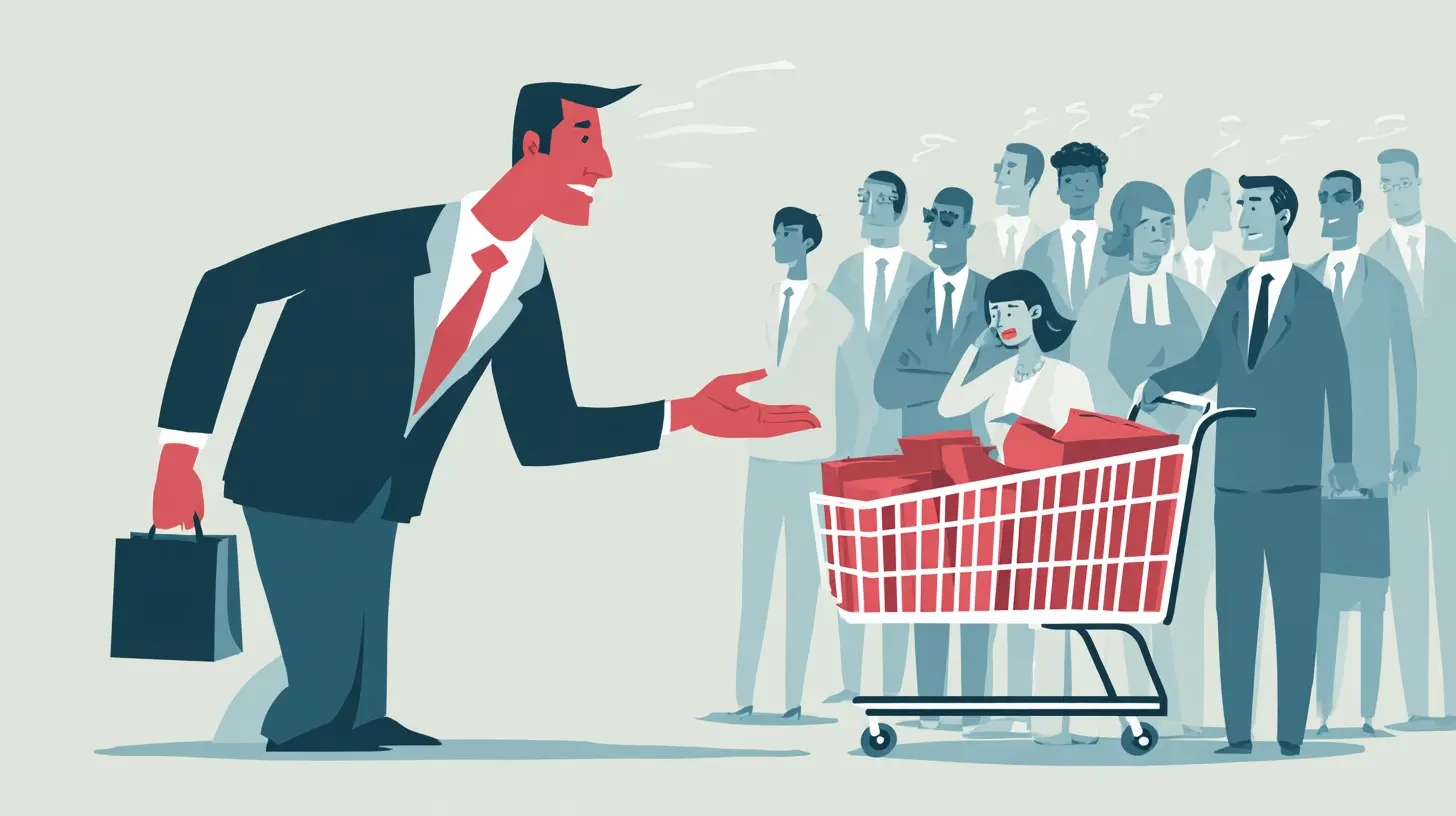
What is Value Perception, Really?
Let’s start with the basics.Value perception is the customer's overall judgment of a product or service’s worth. And here’s the tricky part — it doesn't always align with the actual cost.
Think about it. You might be willing to drop $5 on a fancy cup of coffee from that trendy shop downtown, but you'd think twice about paying the same amount for a bottle of water at a gas station.
Why? Because the perceived value of those two experiences is wildly different.
We’re not just buying products anymore — we’re buying stories, emotions, and the feeling of getting a great deal.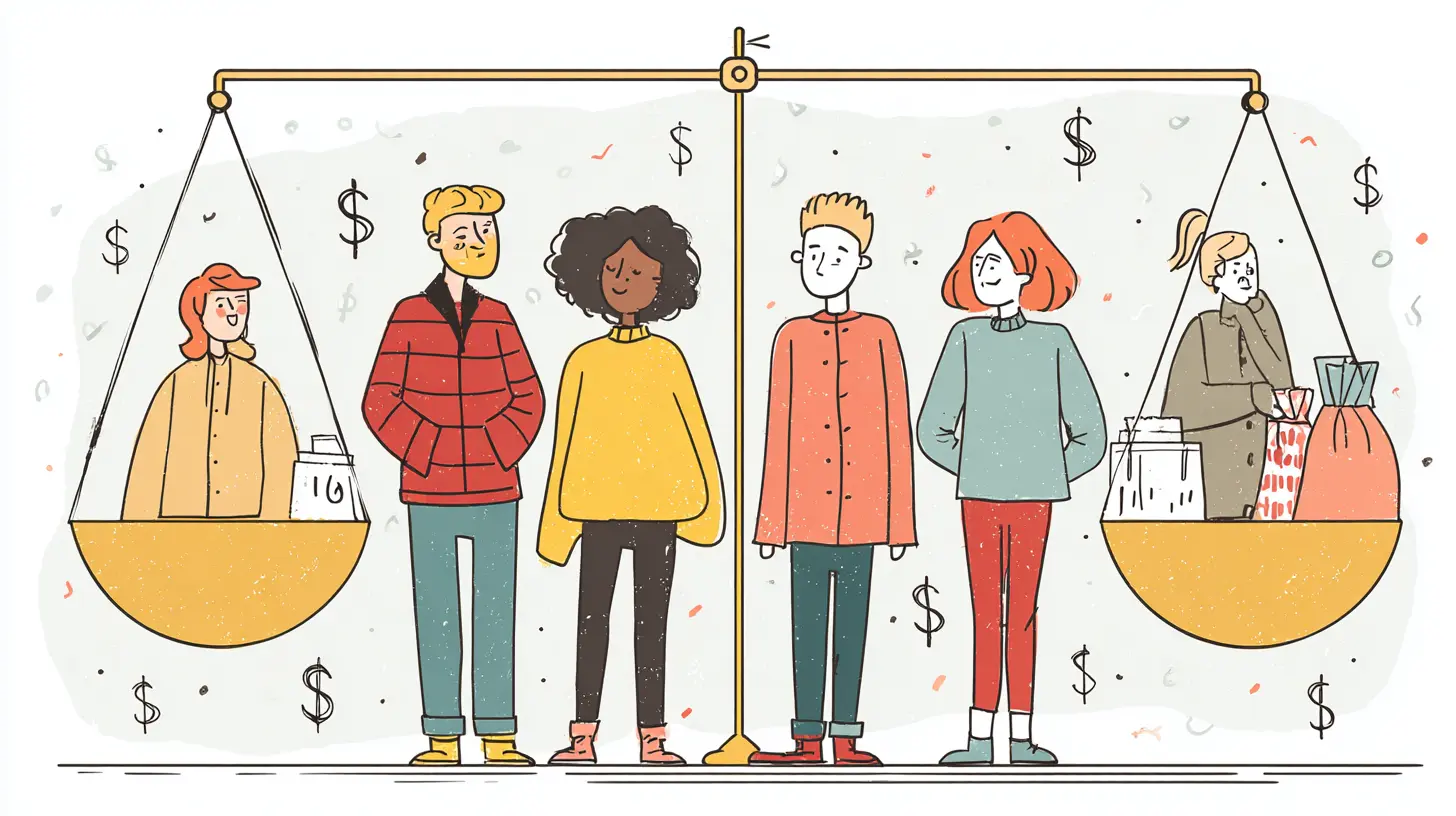
Why Value Perception Beats Pricing Every Time
Let’s get one thing straight: lowering your prices isn't the smartest or most sustainable way to win customers. Anyone can slash prices, but that often drags your brand down and kicks off a race to the bottom.Instead, smart businesses focus on boosting the value perception of what they offer.
You might be asking, “How do I do that?” Good question. Stick with me — we’re diving into that next.
How to Increase Value Perception Without Touching the Price Tag
1. Highlight Benefits, Not Just Features
Customers don’t really care about the specs until they understand how it helps them. You’ve got to bridge that gap.Let’s say you’re selling a blender with a 1200-watt motor. Impressive, right?
Well... not really, unless you explain what that means. Maybe you could say, “Blends frozen fruit in 10 seconds flat so you can hit snooze one more time and still make breakfast.” See the difference?
? Features tell.
? Benefits sell.
2. Use Visual Storytelling
People believe what they see way faster than what they read.High-quality product images, behind-the-scenes videos, customer testimonials, or even simple before-and-after shots — they all help build trust and paint a vivid picture of the value you’re offering.
Remember: if a picture is worth a thousand words, a good product video might be worth a thousand sales.
3. Bundle It Up
Bundling is one of the oldest (and smartest) tricks in the book.When customers see they're getting multiple items or services for a single price, it feels like a win. Suddenly, that $99 price tag doesn’t sting so much when it includes accessories, a bonus eBook, or free shipping.
You’re not just selling a product — you're offering a package deal that screams value.
4. Tell the Story Behind the Product
People love to buy from brands they connect with.Maybe your soap is handmade by local artisans. Or your coffee beans are ethically sourced from a co-op in Brazil. Talk about that. Share the behind-the-scenes journey.
Why? Because now that soap isn’t just soap — it’s a story your customer is proud to be part of.
5. Use Social Proof to Seal the Deal
Have you ever glanced at reviews before buying something?Of course, you have. We all do.
That’s why testimonials, star ratings, and customer photos are gold when it comes to value perception. They show that other people have already made this purchase and felt good about it.
Even a handful of honest reviews can do more for your bottom line than the fanciest marketing copy.
Emotional Triggers That Boost Value Perception
Here’s where things get juicy. If you want your customers to feel like they’re getting a deal, tug at the right emotional chords.1. Scarcity and Urgency
Few things light a fire under a shopper like “Only 3 Left” or “Sale Ends in 2 Hours!”That little push creates FOMO — fear of missing out. And when people think something’s scarce, it suddenly seems more valuable.
Just don’t fake it. If you're always “selling out,” people will catch on.
2. Exclusivity
People love feeling like insiders.Create VIP memberships, early access offers, or members-only deals. It adds an emotional bonus to the purchase: the feeling of being special.
Think about it — wouldn’t you pay a little more to be part of something exclusive?
3. Personal Connection
Want customers to trust you more? Be real.Use conversational language, call out your audience directly, and don't be afraid to show a little personality. It builds loyalty because customers feel like they're buying from a person, not a faceless company.
The Psychology of a “Good Deal”
Now let’s nerd out a bit, shall we?There’s actually psychology behind what makes a deal feel “good.” Here are a few concepts you should keep in mind:
Anchoring
This is when people rely heavily on the first piece of information they get.If you show a product at $299 and then offer it for $199, the customer thinks, “Wow! I’m saving $100!” even if the product is only worth $199 to begin with.
That’s the anchor effect in action.
The Endowment Effect
People tend to place higher value on things they already own — or even feel like they own.Letting customers try before they buy (think free trials or samples) boosts value perception because it creates a sense of ownership.
Loss Aversion
People hate losing more than they love winning. If your offer focuses on what they might miss out on rather than what they gain, it often hits harder.Example: “Don’t miss out on these savings” feels more urgent than “Save 20% today.”
Common Mistakes That Kill Value Perception
Let’s call out a few behaviors that actually damage value perception, even if you think they’re helping:Over-Discounting
Constant sales make your product feel cheap — like it’s not worth full price.Instead of building loyalty, you’re training customers to only shop when there’s a deal. That's a tough cycle to break.
Complicated Pricing
If your pricing is unclear or full of fine print, customers might walk away altogether. Confusion turns into mistrust real quick.Keep it simple. Transparent. Honest.
Poor Customer Experience
You can have a killer product at a great price, but if your customer service stinks? Game over.Long wait times, slow shipping, nasty returns policies — they all eat away at your perceived value like termites in a log cabin.
Real-Life Examples: Brands That Nail Value Perception
Apple
Apple doesn’t sell cheap tech. But millions happily line up to pay top dollar. Why? Because Apple sells a premium experience — the design, the packaging, the community, the innovation.That perceived value justifies the price.
Costco
Costco’s business model is all about making you feel like everything’s a deal. From bulk pricing to generous return policies, they’ve built massive customer trust. Even their hotdog combo hasn’t changed price in decades — talk about consistency!Warby Parker
Affordable glasses plus a home try-on program? That’s genius. Warby Parker makes customers feel confident and cared for, which raises the value perception of their already budget-friendly eyewear.Practical Tips to Start Today
Ready to crank up your value perception? Here are a few quick wins you can apply right now:- Add a comparison table showing what you offer vs. competitors
- Use real customer photos in your reviews section
- Create urgency with limited-time bonuses, not just discounts
- Rework your product descriptions to focus on outcomes, not specs
- Make your returns and warranties crystal clear (and generous)
Final Thoughts
Value perception isn’t about tricking your customers — it’s about showing them why your product or service is worth every penny.The goal isn’t to be the cheapest in town. It’s to be the brand that makes people say, “That was totally worth it.”
Remember, we all love feeling like we’ve scored a deal. When you shift your focus from cost to value, you create not just customers — but fans.
And fans stick around.
all images in this post were generated using AI tools
Category:
Pricing StrategiesAuthor:

Lily Pacheco
Discussion
rate this article
2 comments
Wyatt Bowers
Deals are cool, but perception rules!
September 15, 2026 at 2:41 AM
Kristen Riley
Great insights! Making customers feel like they're getting a deal can truly elevate their experience. It's all about that sweet spot between value and perception... keep those ideas flowing!
August 29, 2026 at 3:04 AM
Lily Pacheco
Thanks for the kind words! I completely agree-it's all about balancing value and perception to enhance customer experience. I'm glad you found the insights helpful!