Walmart's Spark Delivery Drivers Required to Verify Identities for Payment
March 12, 2025 - 16:41
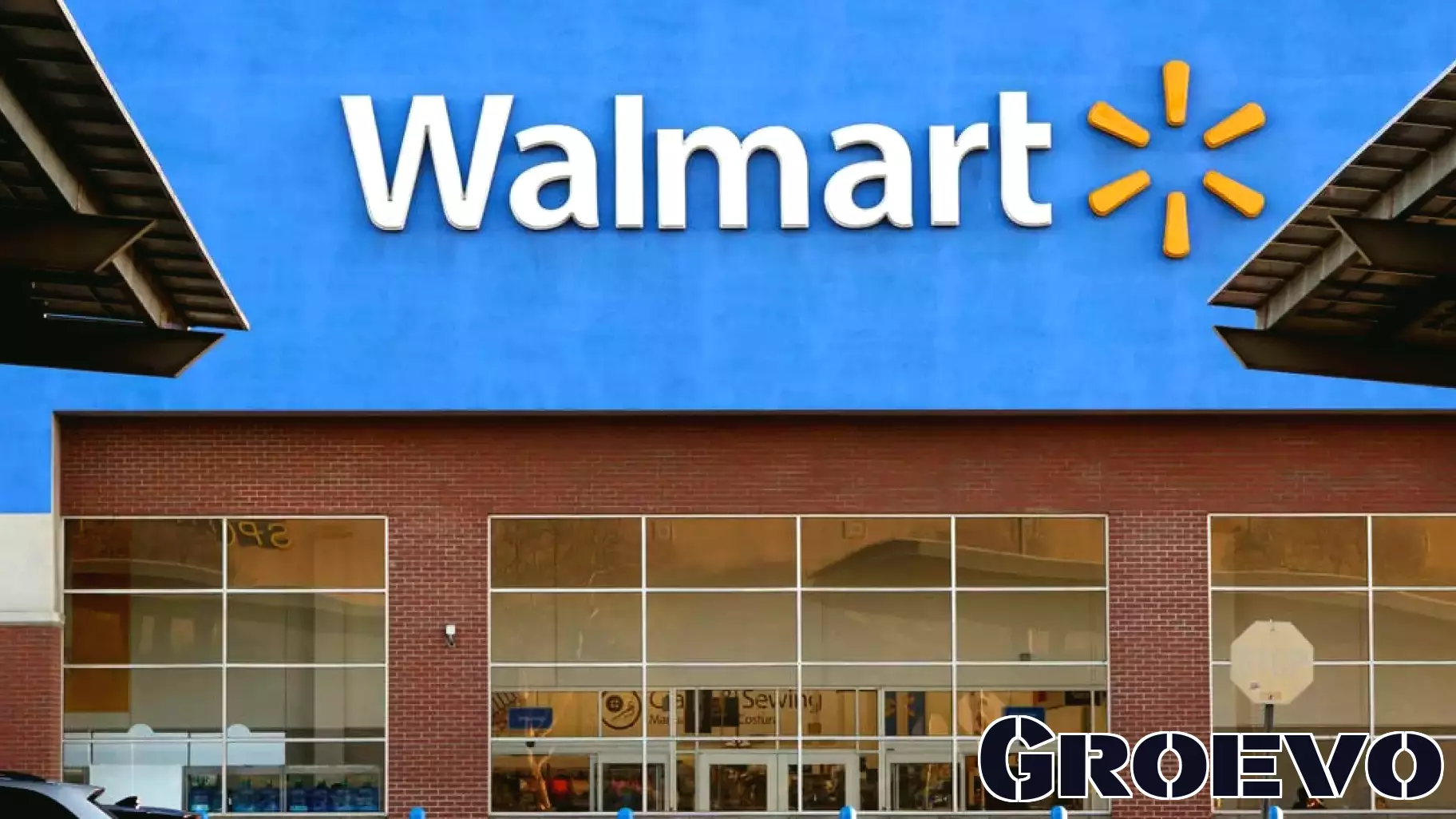
Gig workers for Walmart's Spark delivery service have recently been informed about a new requirement aimed at enhancing security measures. As part of this initiative, drivers are being asked to verify their identities at local store locations. In return for completing this verification process, drivers will receive a one-time payment of $15.
This move comes as part of Walmart's ongoing efforts to ensure the safety and reliability of its delivery services. By confirming the identities of its gig workers, the company aims to build trust with customers and enhance the overall delivery experience.
The decision has sparked a mixed response among drivers, with some appreciating the additional payment while others express concerns about the inconvenience of having to visit a store for verification. As the gig economy continues to expand, companies like Walmart are exploring new ways to balance security with the flexibility that gig work offers.
MORE NEWS

November 7, 2026 - 04:50
Palm Springs Pride Set to Boost Local Economy with Exciting FestivitiesPALM SPRINGS, Calif. - Palm Springs Pride is making waves in the Coachella Valley, promising a significant boost for local businesses. As the festivities kick off, a variety of establishments, from...
November 6, 2026 - 19:21
BATAVIA - A Chance for Small Businesses to ThriveWhat if one conversation, one connection, or one new idea could make a difference for your business? The upcoming Small Business Expo in Batavia aims to provide just that opportunity. Scheduled for...

November 6, 2026 - 03:22
How Disability Transformed My FriendshipsAfter a heart attack left me disabled, my social circle changed dramatically. The experience was jarring, not just physically but emotionally. Many friends drifted away, unable to cope with the new...
November 5, 2026 - 04:20
Downtown Mesa Sees Strong Business Growth with Low Vacancy RateBusinesses are filling up fast in downtown Mesa, according to city leaders who report that the downtown sector boasts over 500 individual properties. Impressively, only 6.9 percent of these spaces...