The Hidden Costs of Poor Customer Acquisition Practices
28 June 2026
We all want customers—because without them, businesses might as well be treehouses in the middle of a deserted jungle. But here's the kicker: not all customer acquisition strategies are created equal. While your marketing team is busy chasing leads like a cat chasing a laser pointer, they might inadvertently be racking up some hidden costs that your business can’t afford. Yep, those costs are sneakier than your neighbor's Wi-Fi-stealing attempts—and far more damaging.
In this blog post, I’ll break down how poor customer acquisition practices can end up costing you big time. Let’s dive in, and I promise to keep it as witty as your favorite meme thread.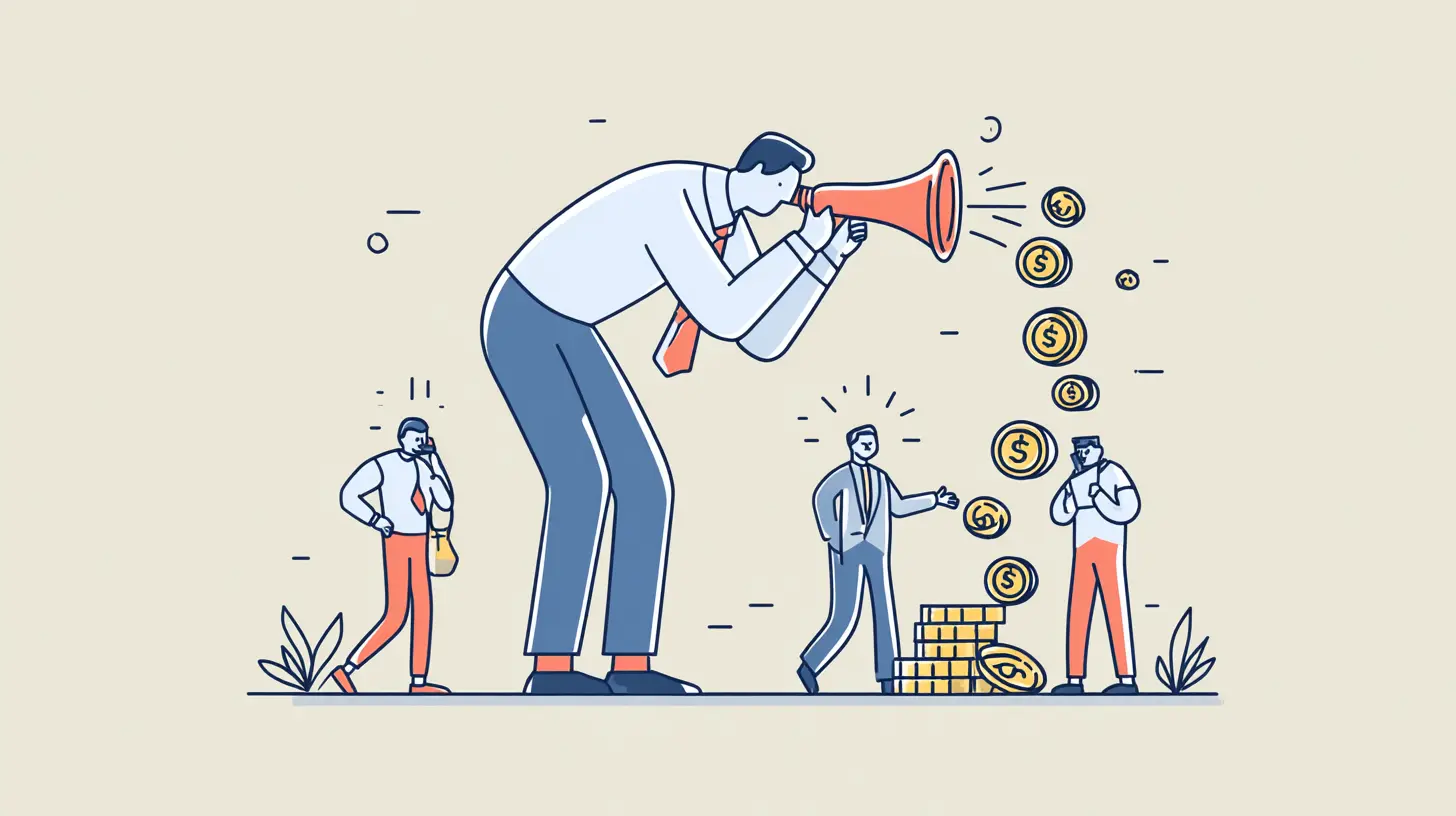
What Exactly Are "Hidden Costs"?
Hidden costs are like those mystery charges on your internet bill—confusing, frustrating, and totally avoidable if you paid attention upfront. When it comes to customer acquisition, these costs aren't always monetary. Sometimes, they’re about missed opportunities, wasted resources, or even reputation damage. Imagine planting a garden but watering plastic flowers instead of the real ones. You’re busy, sure, but are you producing anything valuable? Nope.
#1: Spending a Fortune to Attract the Wrong Customers
Let’s be real—some customers aren't worth the effort. It’s like hosting a party that ends up packed with crashers who eat all the snacks and don't even say thank you. Poor targeting or vague marketing messages can lead to acquiring customers who don’t align with your product or service.Why This Hurts Your Bottom Line:
- Higher churn rates: These are the folks who’ll abandon you faster than a New Year's resolution.- Wasted effort: You’re using up time and money to convince uninterested people to stick around. Spoiler: They won’t.
- Low lifetime value (LTV): The wrong customers rarely make repeat purchases or build loyalty, meaning whatever you spent to acquire them might never get recouped.
Fix It:
Focus on quality over quantity. Use data to define your ideal customer persona. Your job isn’t to shout into the void but to whisper sweet nothings into the ears of the right people.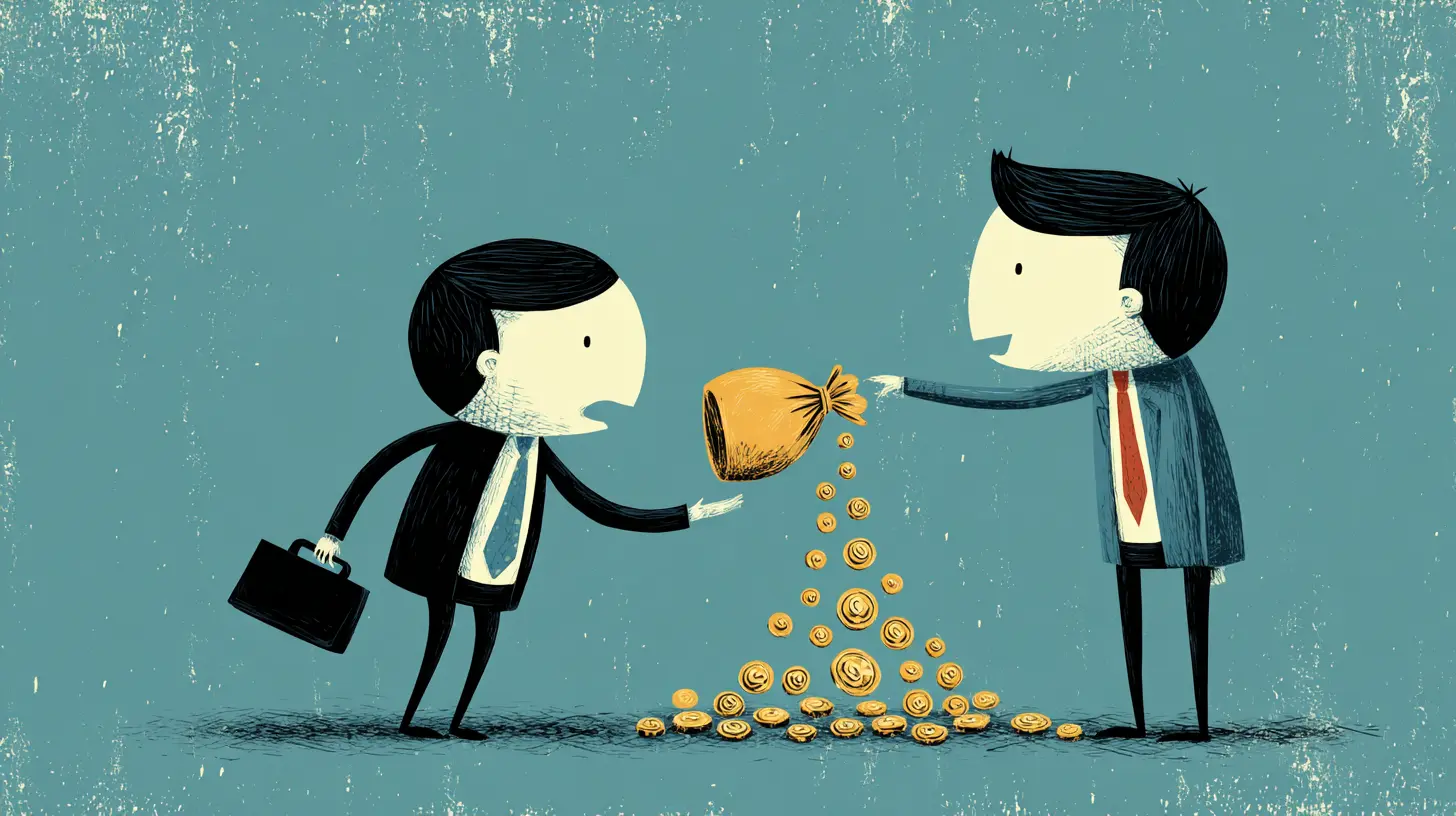
#2: Treating Marketing Like a One-Hit Wonder
You know that friend who posts on Instagram once a year and expects hundreds of likes? Yeah, that’s some businesses and their marketing strategies in a nutshell. Poor customer acquisition often stems from a lack of consistency or relying too heavily on one channel.The Fallout:
- Over-reliance on paid ads: Sure, paid ads can bring people in, but the moment you stop spending? Poof, they’re gone. It’s a treadmill, not a marathon.- No diversified strategy: Betting all your chips on a single marketing channel is like bringing a knife to a buffet. You’re limiting your options and paying for it.
Fix It:
Think long-term. Build an omnichannel marketing strategy that includes social media, email campaigns, referrals, and good old SEO. Remember, slow and steady wins the race (unless you're racing a cheetah, in which case, good luck).
#3: The "Discount Everything" Mentality
You know the drill—slap a 50% discount on everything and watch customers flock to your store like seagulls to a french fry. While discounts can give you short-term gains, they can also lead to long-term losses.Why This Approach Backfires:
- Devalues your brand: If customers always expect discounts, they’ll start questioning the real value of your product.- Attracts bargain hunters: These aren’t your loyal fans—they’re coupon clippers who’ll jump ship for the next discount.
- Slimmer margins: If you’re constantly selling at a discount, your profit margins shrink faster than jeans in a hot dryer.
Fix It:
Instead of discounts, try offering value-based incentives, like loyalty programs, free resources, or exclusive perks. Keep the occasional discount for special occasions—like sprinkles on an already delicious cupcake.#4: Ignoring the Power of Customer Onboarding
Acquiring a new customer is like starting a new friendship—you’ve got to nurture it. But too often, businesses throw customers into the deep end without a life jacket. Poor onboarding can leave them feeling confused, frustrated, and ready to ghost you.The Consequences:
- Low engagement: If customers don’t see immediate value, they’ll bounce faster than a caffeinated kangaroo.- Increased churn: We’re back to the party analogy—don’t invite people over and then ignore them.
- Negative reviews: Dissatisfied customers aren’t just leaving; they’re ranting about you online.
Fix It:
Make onboarding as smooth as butter on warm toast. Walk them through how to use your product or service, provide resources, and check in on them. A little hand-holding goes a long way.#5: Skimping on Customer Retention
So, you’ve reeled in the customer. Congrats! But here’s the thing: if you don’t invest in retaining them, it’s like filling a leaky bucket. Poor retention strategies can turn customer acquisition efforts into a never-ending game of catch-up.Why This Stinks:
- It’s more expensive: It costs way more to acquire a new customer than to keep an existing one. (Like, 5-7 times more. Ouch.)- Missed opportunities: Loyal customers are your brand ambassadors—they refer others and repurchase.
- You lose trust: A customer who feels neglected is a customer who won’t come back.
Fix It:
Retention is the secret sauce that makes customer acquisition worth it. Stay engaged with your customers through personalized email campaigns, loyalty rewards, and meaningful interactions. Think of it as dating your customers—never stop wooing them.#6: Focusing on Vanity Metrics
Ah, vanity metrics—likes, clicks, followers. They’re the business equivalent of loading up on empty calories. Sure, they look great on paper, but are they actually driving revenue? Not always.The Downside:
- False sense of success: A thousand likes don’t mean much if nobody’s buying.- Misallocated resources: Chasing metrics that don’t contribute to the bottom line is a waste of effort.
- No actionable insights: Vanity metrics rarely provide information you can act on to improve.
Fix It:
Measure what matters. Metrics like customer acquisition cost (CAC), lifetime value (LTV), and conversion rates give you real insights into your strategy’s effectiveness. Don’t fall for the siren song of likes.Final Thoughts: Don’t Let Hidden Costs Sink Your Ship
Poor customer acquisition practices are like termites in a wooden house—silent but destructive. They eat away at your resources, your reputation, and your bottom line, leaving you wondering why things feel shaky. But with some thoughtful strategy adjustments, you can fix these issues faster than your morning coffee brews.Remember, acquiring customers isn’t just about getting people through the door—it’s about keeping the right ones around, nurturing relationships, and creating value over time. So, ditch the shortcuts, invest in understanding your audience, and build a strategy that lasts.
all images in this post were generated using AI tools
Category:
Customer AcquisitionAuthor:

Lily Pacheco
Discussion
rate this article
1 comments
Grayson Maddox
It's crucial for businesses to recognize the impact of their customer acquisition strategies. Poor practices not only affect revenue but can also tarnish relationships with potential customers. Investing in thoughtful, effective approaches fosters trust and long-term loyalty, benefiting everyone involved in the process.
June 30, 2026 at 3:13 AM
Lily Pacheco
I completely agree. Poor customer acquisition strategies can damage both revenue and relationships. A focus on effective methods builds trust and loyalty, creating a win-win situation.