Why 2027 Will Be the Year of the Digital Workspace
11 May 2026
Let me ask you something. Have you ever felt like your office is stuck in a time warp? You know the drill: endless email chains, clunky software that crashes on a Tuesday afternoon, and that one coworker who still prints every single document. We have been talking about the "future of work" for what feels like a decade, but honestly, most of us are still wrestling with the same old problems. I think we are finally on the verge of something real. Not a hype cycle, not a buzzword factory, but a genuine shift. And I am calling it now: 2027 will be the year of the digital workspace.
Why 2027? Because the pieces are finally falling into place. It is not about one magic technology. It is about a convergence. Think of it like a perfect storm, but the good kind. The kind where the wind fills your sails instead of sinking your boat. We have spent years building the infrastructure, testing the tools, and learning from our mistakes. By 2027, all that groundwork will pay off. We will stop treating the digital workspace as a backup plan or a temporary fix and start treating it as the main stage.
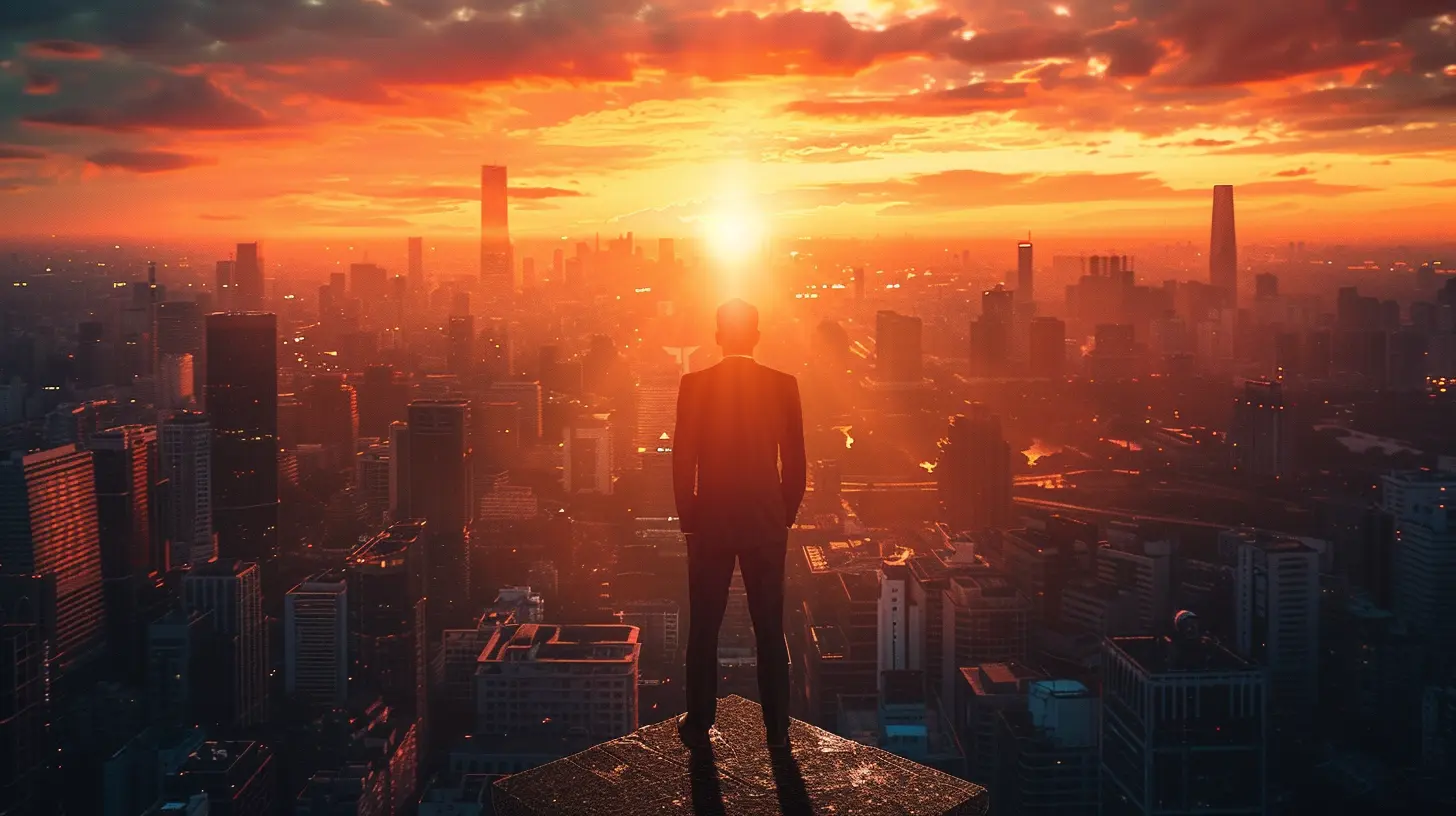
The Great Hangover Is Over
Remember the chaotic rush to remote work in 2020? That was not a digital workspace. That was digital survival. We threw people onto Zoom calls and hoped for the best. We were like campers who forgot the tent poles and just held up the tarp with our hands. It worked, barely. But it was exhausting.Now, we are in the recovery phase. Companies have had a few years to figure out what actually works. The hybrid experiments, the return-to-office mandates, the four-day workweek trials... all of that data is gold. By 2027, the noise will settle. Leaders will stop guessing and start building. They will realize that a digital workspace is not just a place you log into. It is a living ecosystem. It is where your culture lives, where your workflows breathe, and where your team actually gets things done without fighting the tools.
The hangover from the rapid shift is fading. We are ready for a proper system, not a patch job.
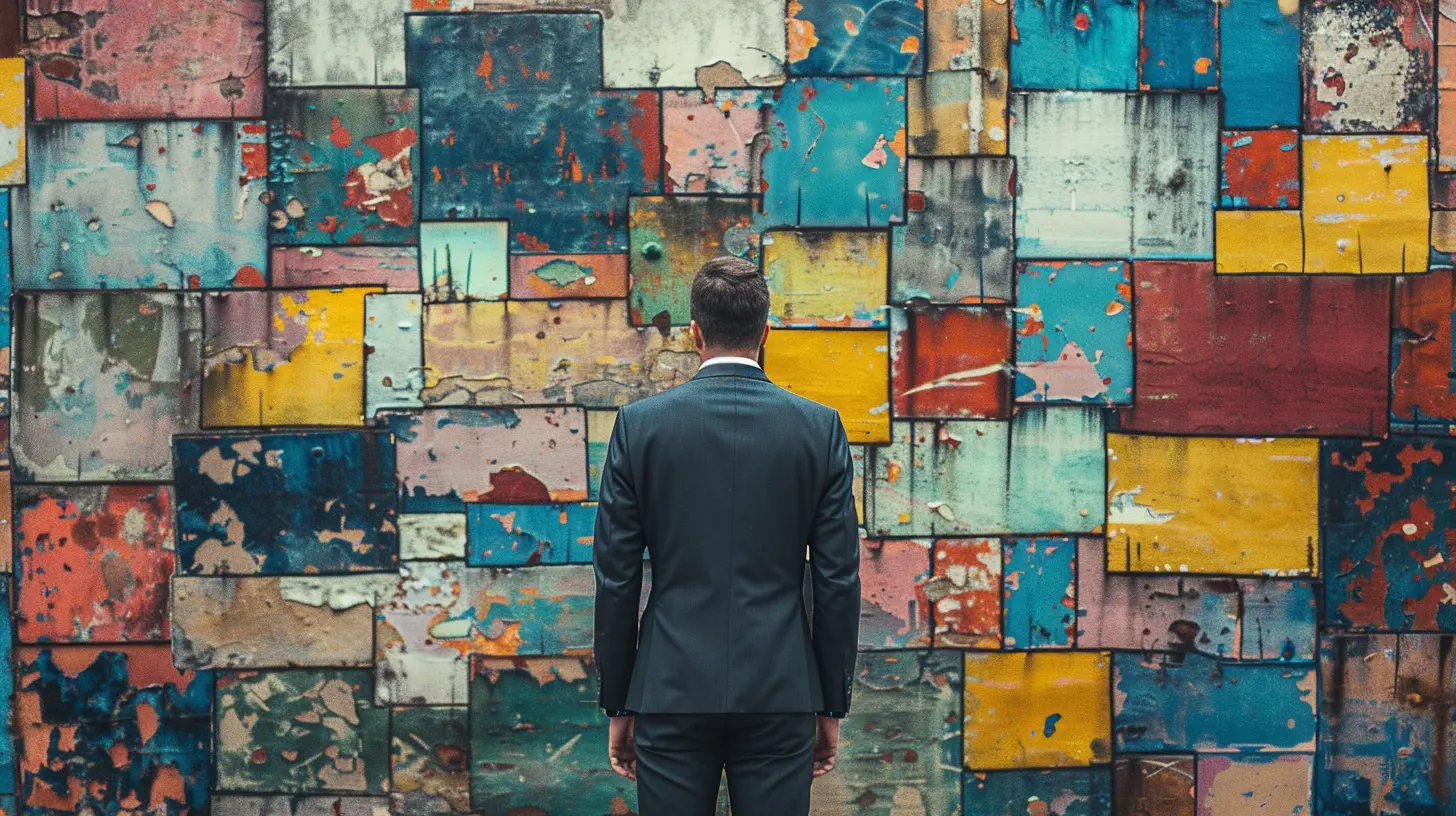
The Tech Stack Finally Grows Up
Let us talk about the tools. For years, we have been stuck with software that was designed for a different era. Your email client was built in the 1990s. Your project management tool looks like a spreadsheet on steroids. Your video conferencing app still makes you look like a washed-up news anchor.But here is the thing: the next generation of workspace tools is not just "better." It is fundamentally different. We are moving away from the "swivel chair" approach, where you jump between ten different apps just to update a single task. By 2027, we will see unified platforms that actually talk to each other. Imagine a workspace where your calendar, your tasks, your documents, your chat, and your AI assistant all live in the same intelligent space. No more copying and pasting. No more "I sent you an email, did you see my Slack message?" nonsense.
This is not a fantasy. Companies are already building these integrated environments. The difference is that by 2027, the integration will be seamless. It will feel like the software knows what you need before you do. And that is not creepy. That is efficient.
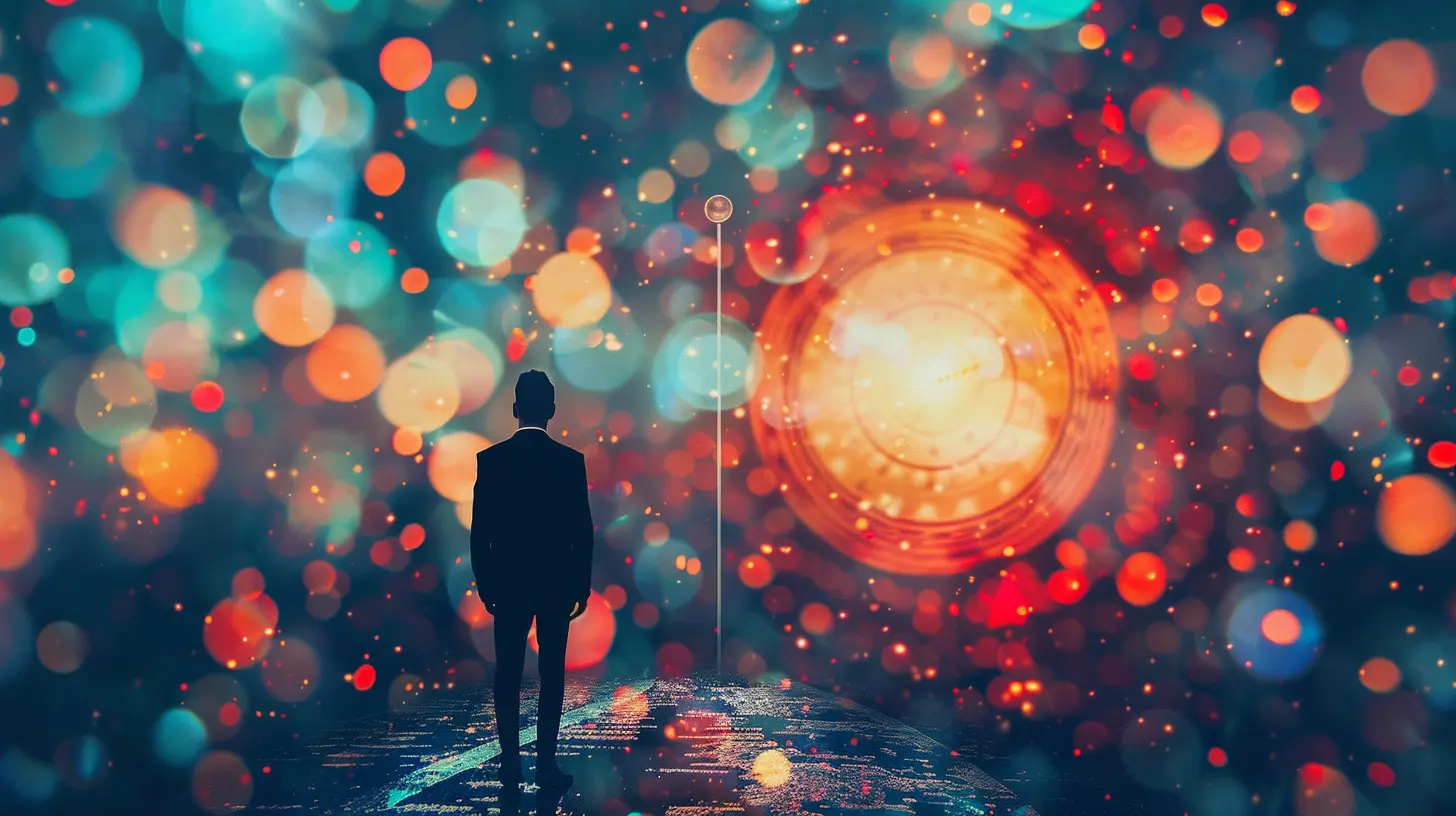
AI Becomes the Reliable Coworker
I know, I know. Everyone is talking about AI. But hear me out. The AI we have right now is like a brilliant intern who sometimes hallucinates and writes poetry about your quarterly report. It is impressive but not fully trustworthy. By 2027, that changes.The AI in your digital workspace will not just be a chatbot that answers basic questions. It will be a genuine collaborator. It will handle the boring stuff, like summarizing meeting notes, sorting your inbox, and flagging risks in your project timeline. It will let you focus on the human work: creativity, strategy, and building relationships. Think of it like having a personal assistant who never sleeps, never complains, and actually remembers everything you told them.
And because the AI will be deeply integrated into your workspace, it will understand context. It will know that when you say "the client meeting," you mean the one with the budget review, not the casual coffee chat. This level of intelligence will make the digital workspace feel less like a machine and more like a partner.
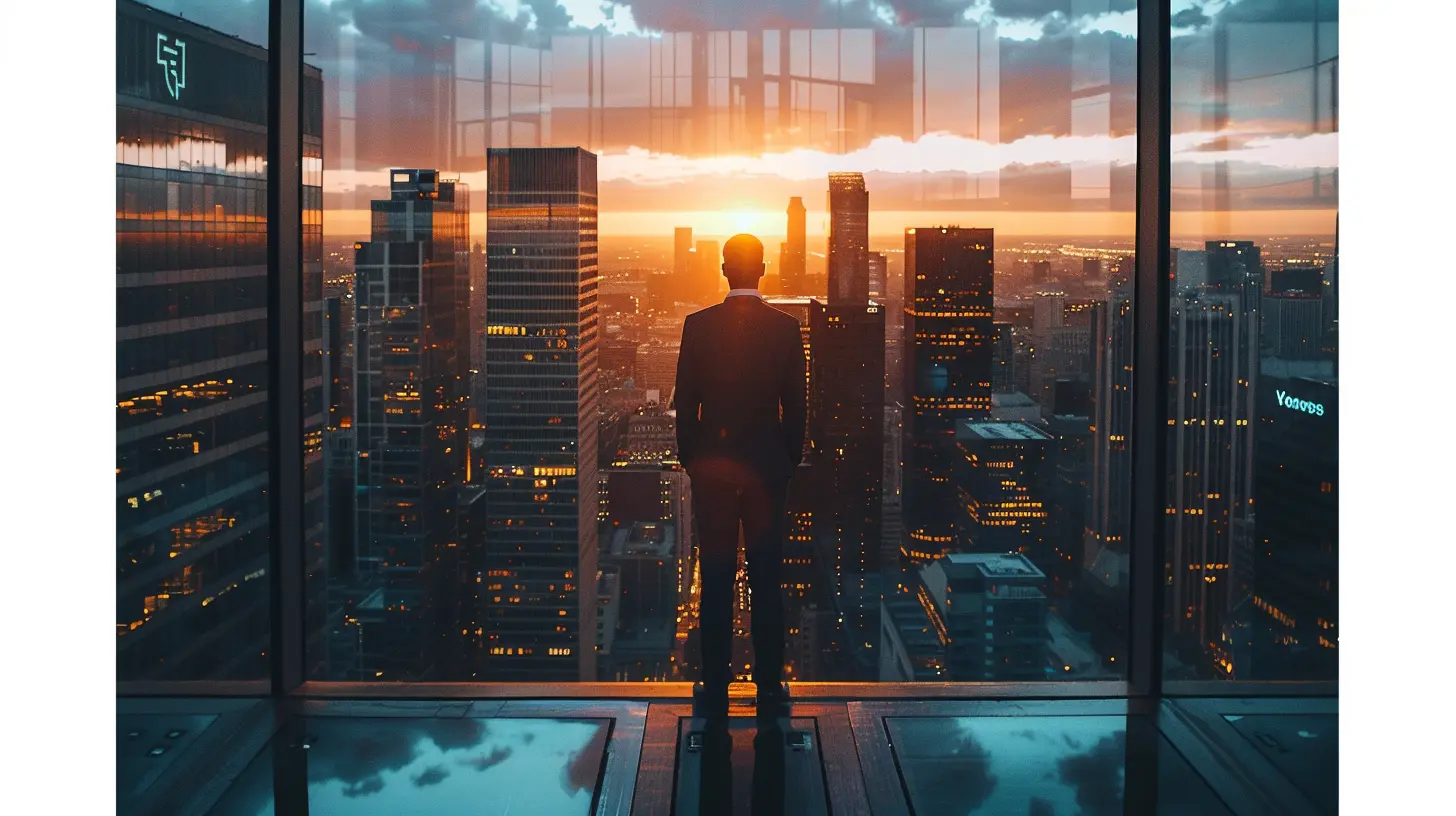
The Death of the "Digital Graveyard"
One of the biggest problems with current digital workspaces is that they become graveyards. You have folders full of old documents, shared drives that nobody cleans, and chat channels that are just dead air. It is like a digital attic full of boxes you are afraid to open.By 2027, that changes too. The new workspace tools will be designed with "living information" in mind. Instead of static files, you will have dynamic documents that update in real time. Instead of endless threads, you will have structured conversations that resolve and archive themselves. The workspace will clean itself, like a smart home that vacuums while you sleep.
This matters because a cluttered digital space is just as draining as a cluttered physical one. When your workspace feels organized and intentional, you actually want to be there. You stop wasting time hunting for files and start doing the work that matters.
The Human Element Finally Gets Its Due
Let us be honest. The biggest complaint about digital workspaces is that they feel lonely. You miss the water cooler chats, the spontaneous brainstorming, the energy of a room full of people. No amount of technology can replace that completely. But by 2027, we will stop pretending that digital is a perfect substitute and start designing for what it is good at.The digital workspace of 2027 will prioritize connection over convenience. It will have "serendipity zones" where you can bump into colleagues virtually. It will use spatial audio and immersive environments to make conversations feel more natural. It will not try to fake a physical office. Instead, it will create a new kind of place, one that blends the best of remote flexibility with the warmth of human interaction.
And here is the secret: the digital workspace does not have to be lonely if you build it with intention. The companies that succeed in 2027 will be the ones that invest in digital culture, not just digital tools. They will have virtual team rituals, asynchronous check-ins that actually mean something, and a shared sense of purpose that transcends the screen.
The Infrastructure Is Ready
We often forget that technology is only as good as the pipes it runs through. In 2020, a lot of people were stuck with terrible internet connections and outdated laptops. That is changing fast. By 2027, 5G will be the baseline. Fiber will be everywhere. Edge computing will reduce latency to almost nothing. And the hardware itself, from lightweight AR glasses to modular laptops, will be designed for a mobile, flexible workforce.This matters because a digital workspace is useless if it lags, crashes, or disconnects. The infrastructure of 2027 will make the experience feel as smooth as working on a local machine, even if your team is spread across six continents. No more "you are on mute." No more frozen screens. Just fluid, reliable collaboration.
The Generational Shift
Here is something people do not talk about enough. By 2027, Gen Z will be a dominant force in the workforce. And Gen Z does not see digital workspaces as a compromise. They see them as the default. They grew up with smartphones, social media, and online communities. They are used to managing their lives through screens. For them, a digital workspace is not a strange new world. It is home.This generational shift will force companies to finally get serious about their digital environments. If your workspace feels like a clunky relic from 2010, the best young talent will simply leave. They will go to companies that understand that work is something you do, not a place you go. And they will expect their tools to be intuitive, beautiful, and human.
The Economic Argument
Let us talk money for a second. A well-designed digital workspace saves real cash. It cuts down on real estate costs, reduces commute time, and minimizes turnover. But the real savings come from productivity. When your team is not fighting broken tools, they get more done in less time. When they have flexibility, they are happier and healthier. Happy, healthy people do better work.By 2027, the economic case will be undeniable. Companies that resist the digital workspace will be at a competitive disadvantage. They will be paying for expensive office leases while their competitors are investing in better software and happier remote teams. The math is simple, and it favors the digital-first approach.
What This Means For You
So, what does all this mean for you, right now? It means you have a choice. You can wait for 2027 to arrive and then scramble to catch up. Or you can start building your digital workspace today. You do not need to overhaul everything at once. Start small. Pick one tool that is holding you back and replace it. Create one digital ritual that brings your team together. Clean out one folder of digital clutter.The year 2027 is not a magic switch. It is the culmination of all the small decisions we make now. Every time you choose a better workflow, invest in a smarter tool, or prioritize your team's digital experience, you are building toward that future.
And here is the best part: you do not have to do it alone. The community of people building better workspaces is growing every day. There are templates, playbooks, and forums where you can learn from others who are on the same journey. The digital workspace of 2027 will be built by all of us, together.
A Final Thought
I remember when people said the internet was a fad. I remember when they said smartphones were just toys. And I remember when they said remote work would never last. But here we are. The digital workspace is not coming. It is already here. It is just not fully formed yet. By 2027, it will be. And I believe it will be better than we imagine.So, get ready. The year of the digital workspace is almost here. And it is going to be a good one.
all images in this post were generated using AI tools
Category:
Productivity ToolsAuthor:

Lily Pacheco
Discussion
rate this article
1 comments
Selene Hines
2027? More like the year we finally ditch outdated offices. Time to embrace the digital workspace and show traditionalists who's boss!
May 20, 2026 at 2:20 AM
Lily Pacheco
Absolutely! The shift to digital workspaces is inevitable. Traditional offices will soon be a thing of the past.