The Role of Outsourcing in Scaling E-commerce Businesses
16 August 2026
Let’s face it: running an e-commerce business can feel like juggling flaming torches while riding a unicycle. You’re dealing with everything from inventory and logistics to marketing and customer service, all while trying to keep your sanity intact. Scaling up? That’s like throwing an extra torch in the mix.
But what if there was a way to make this whole chaotic ride more manageable? That’s where outsourcing comes into play. For e-commerce businesses looking to scale, outsourcing can be a game-changer. It gives you the flexibility and expertise you need, without the headache of doing everything in-house.
In this post, we’re diving deep into how outsourcing can help e-commerce businesses grow, the benefits it offers, and the key areas where outsourcing makes the most impact.
What Does Outsourcing Actually Mean?
Okay, let’s start with the basics. Outsourcing is when you delegate specific tasks or processes to a third-party service provider instead of handling them yourself, in-house. Think of it as handing off the things you’re not a pro at—or simply don’t have time for—to someone who eats, sleeps, and breathes that specific task.For instance, rather than managing customer support with your small, overworked team, you could hire a company that specializes in it. It’s like calling in a specialist when your car breaks down instead of trying to fix it yourself with duct tape and a hammer. 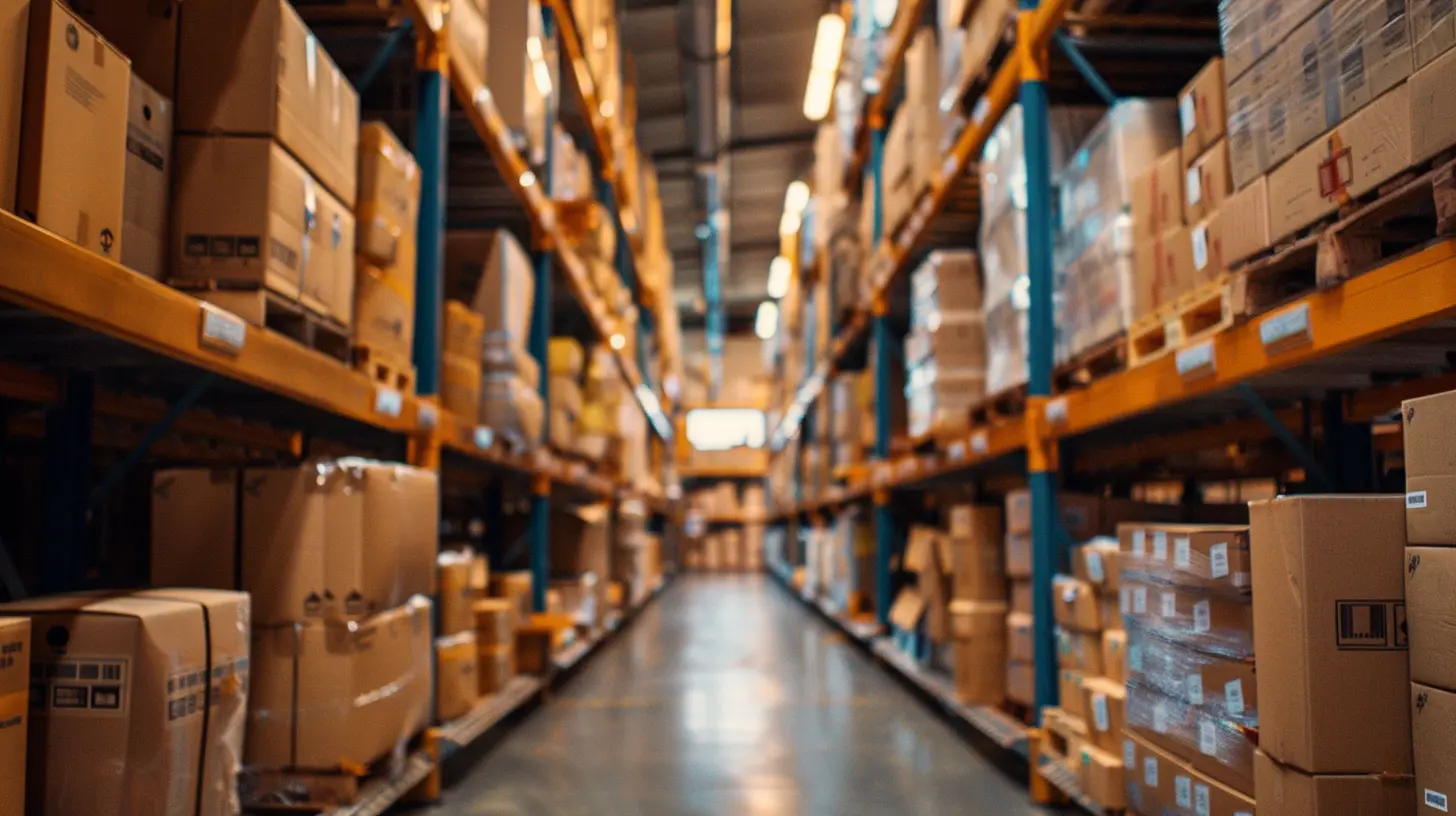
Why Scaling an E-commerce Business is Tough
Scaling an e-commerce business isn’t just about getting more sales—it’s about handling the growth efficiently. And trust me, that’s where things can get tricky. Here’s why:1. Operational Overload
Growth equals complexity. Suddenly, the 50 orders you were dealing with last month have turned into 500. With that comes more inventory to manage, more shipping headaches, and more customer inquiries piling into your inbox.
2. Increased Competition
Scaling means stepping into a bigger arena, and in the world of e-commerce, that arena is crowded. Competing with established players requires more resources—better marketing, better customer experience, and often, better tech.
3. Cost-Benefit Trade-offs
Hiring in-house to handle the extra workload can be expensive. Salaries, benefits, office space, and training—those costs stack up quickly. For small to medium-sized e-commerce businesses, that’s a tough pill to swallow.
4. Time Constraints
Let’s not forget about time. Scaling up doesn’t magically add hours to your day, and there’s only so much you can do yourself before burnout sets in. 
How Outsourcing Helps in Scaling Your E-commerce Business
So, how exactly does outsourcing swoop in to save the day? Here are some of the key ways it can help:1. Focus on Core Activities
Imagine if you could free up your plate to focus only on the things that directly grow your business—like product development, strategy, or marketing. Outsourcing lets you do just that by taking over non-core tasks like inventory management or customer service.Think of it as hiring a babysitter for the boring stuff so you can focus on building the next big thing.
2. Access to Specialized Expertise
Let’s say your business is thriving, but your Facebook ads? Not so much. Outsourcing to a marketing agency that specializes in social media ads means your campaigns get handled by people who know the ins and outs of algorithms, targeting, and ad copy.It’s like hiring a chef instead of guessing your way through a complicated recipe.
3. Scalability Without Commitment
Need a bigger team during the holiday rush? Outsourcing allows you to scale up resources temporarily and scale back down once things settle. You’re not tied to long-term contracts or the expense of hiring full-time staff.This flexibility is especially critical for e-commerce businesses, where demand can fluctuate like crazy.
4. Cost Efficiency
Hiring a full-time team for every department is costly—especially in countries where wages and benefits can skyrocket. Outsourcing to countries with lower labor costs can significantly reduce overhead without compromising quality.It’s a bit like shopping for a high-quality product at wholesale prices.
5. Faster Time-to-Market
Outsourcing certain tasks, like web development or product photography, can speed up your time-to-market. You don’t have to spend weeks trying to learn how to do something yourself or hire and train a dedicated team. That means you can seize market opportunities faster than your competitors. 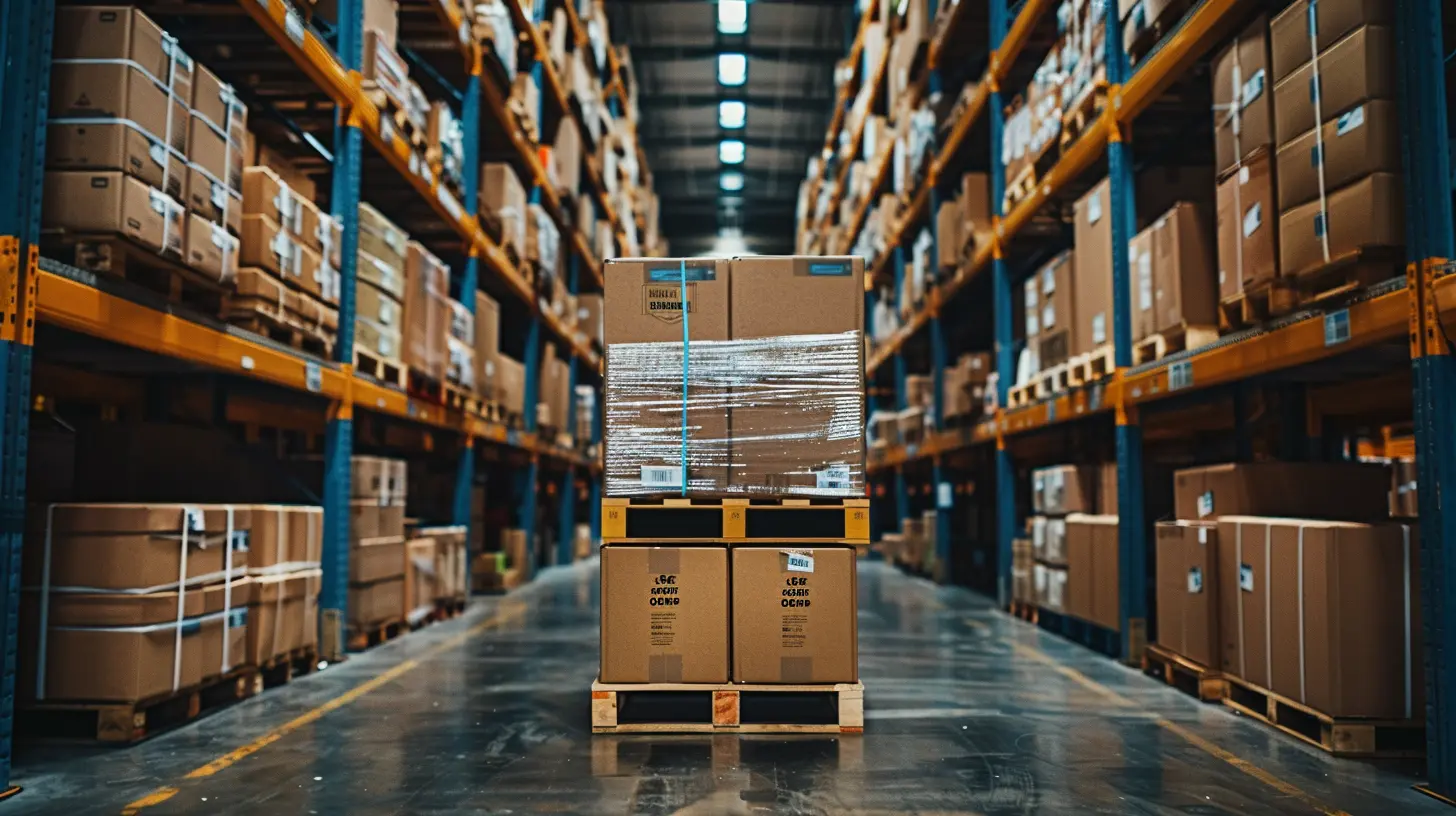
Key Areas to Outsource in E-commerce
Now that we’ve covered the “why” of outsourcing, let’s dive into the “what.” Not all tasks are created equal when it comes to outsourcing, so here are the areas where it makes the most sense:1. Customer Support
A great customer experience can make or break your e-commerce business. But providing 24/7 support, handling returns, and responding to complaints can be a full-time job. Outsourcing customer service to a dedicated support team ensures your customers are taken care of without stretching your internal resources.2. Order Fulfillment and Logistics
Managing inventory, packing, and shipping orders can eat up a huge chunk of your time. By outsourcing to a third-party logistics (3PL) provider, you can focus on growing your business while they handle the nitty-gritty of getting products into your customers’ hands.Companies like Amazon FBA (Fulfillment by Amazon) specialize in this, offering a seamless way to scale your logistics.
3. Digital Marketing
Paid ads, email campaigns, SEO, social media management—outsourcing your digital marketing efforts to agencies or freelancers gives you access to expert campaigns without the need to build an entire team in-house.4. Product Sourcing
Tired of dealing with suppliers and negotiating costs? You can outsource product sourcing to agents who specialize in finding high-quality products at the best prices. They handle supplier relationships while you focus on selling.5. Website Maintenance and Development
Your website is the backbone of your e-commerce business. Outsourcing website design, development, and maintenance ensures a seamless shopping experience without you having to learn HTML or troubleshoot every bug yourself.6. Accounting and Bookkeeping
Financial management is crucial, but it’s not something every business owner is comfortable with. Outsourcing bookkeeping ensures your numbers are accurate and compliant, giving you one less thing to stress over.Potential Challenges of Outsourcing
Okay, outsourcing isn’t all sunshine and rainbows. Like any business decision, it has its challenges. Here are a few to keep in mind:1. Loss of Control
When you outsource, you’re giving up some level of control over how tasks are executed. That’s why it’s crucial to carefully vet service providers and establish clear expectations.
2. Communication Issues
Whether it’s a language barrier or time zone differences, effective communication can sometimes be a hurdle. Regular check-ins and clear documentation can help bridge the gap.
3. Quality Concerns
Not all outsourcing providers are created equal. If you go for the cheapest option, you might end up with subpar results. Quality should always come first.
4. Security Risks
You’re often sharing sensitive information like customer data or financial details. Make sure the outsourcing partner follows strict security protocols to keep your data safe.
Tips for Successful Outsourcing
If you’re ready to get started with outsourcing, here are a few tips to ensure you get it right:1. Do Your Research
Don’t rush into a partnership. Read reviews, ask for references, and interview potential outsourcing providers to make sure they’re a good fit.
2. Start Small
Test the waters by outsourcing a small, non-critical task first. This lets you evaluate the provider without putting too much at risk.
3. Set Clear Expectations
Create detailed guidelines, timelines, and deliverables so there’s no guesswork involved.
4. Maintain Communication
Regular updates and check-ins keep everyone on the same page and ensure the quality of work meets your standards.
Final Thoughts
Outsourcing isn’t just a shortcut—it’s a smart way to scale your e-commerce business without losing focus on what matters most. By delegating non-core tasks to trusted experts, you can save time, cut costs, and take your business to new heights.Sure, it might feel daunting at first. Letting go is never easy. But once you see how outsourcing can free up your time and boost efficiency, you’ll wonder why you didn’t start sooner.
So, what’s holding you back from taking the leap? Start small, stay strategic, and watch your e-commerce business thrive.
all images in this post were generated using AI tools
Category:
OutsourcingAuthor:

Lily Pacheco
Discussion
rate this article
2 comments
Bethany Wilcox
Outsourcing in e-commerce is like finding a reliable friend to help you carry the groceries-suddenly, you can tackle bigger tasks without losing your sanity. Just remember, the right partner can turn "I need help" into "Look at us scale!
August 27, 2026 at 4:47 AM
Lily Pacheco
Absolutely! A good outsourcing partner can make all the difference in handling growth while keeping stress at bay.
Seraphis Lane
Great insights on outsourcing! It's crucial for e-commerce growth. Leveraging external expertise can streamline operations and allow businesses to focus on core strategies.
August 21, 2026 at 4:43 AM
Lily Pacheco
Thank you! I'm glad you found the insights valuable. Outsourcing really can be a game changer for e-commerce growth.